Postgres with QUIC: An Experiment to Break Client-Side Connection Pooling Limits
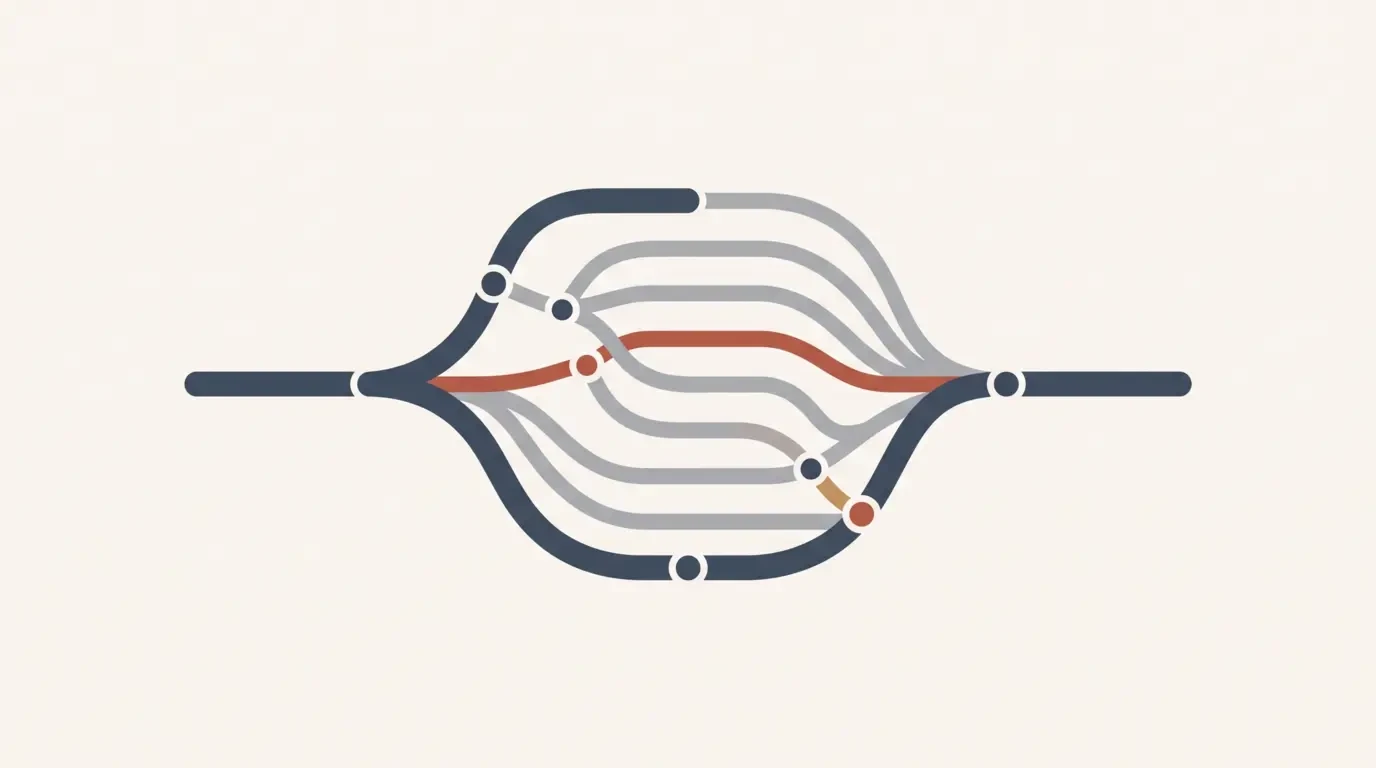
What happens when you test Postgres wire protocol over QUIC streams across a 30ms link? Experimental setup, benchmark observations, and practical tradeoffs.
Practical articles, platform comparisons, and clear explanations of how encryption, group security, and private communication work.
Why Lupyd, Firefly, and Noon are binary-first across client HTTP endpoints, Protobuf Web Tokens, database storage, and cryptographic workflows without touching gRPC.
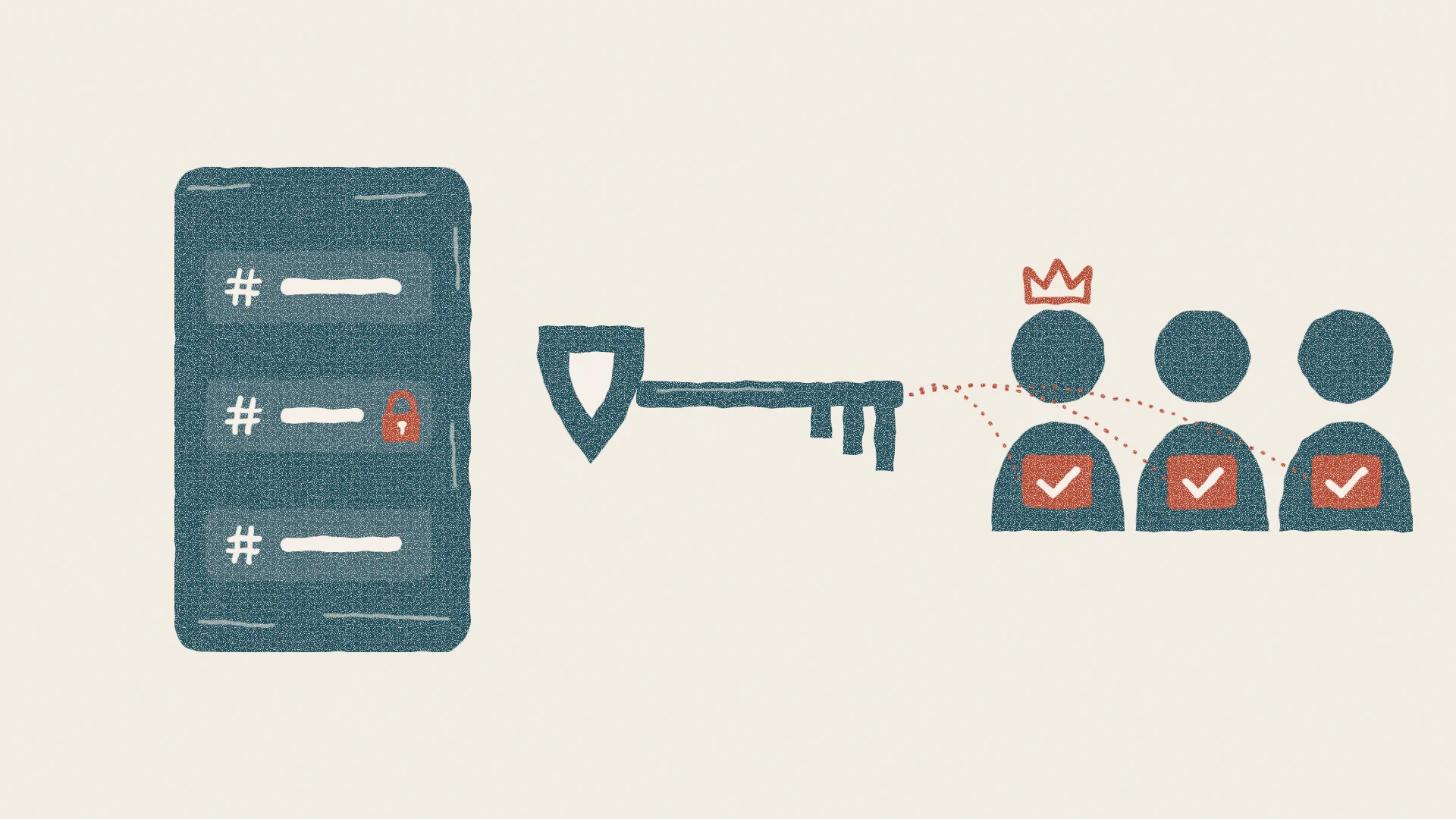
How Lupyd uses modern group encryption to build messaging rooms that govern themselves, without servers ever reading a single word.
Meet Noon: honest workplace surveys and public feedback forms where mathematical proofs make it impossible to trace who submitted what.
Explore privacy, encryption, secure messaging, group key management, product updates, and platform comparisons.
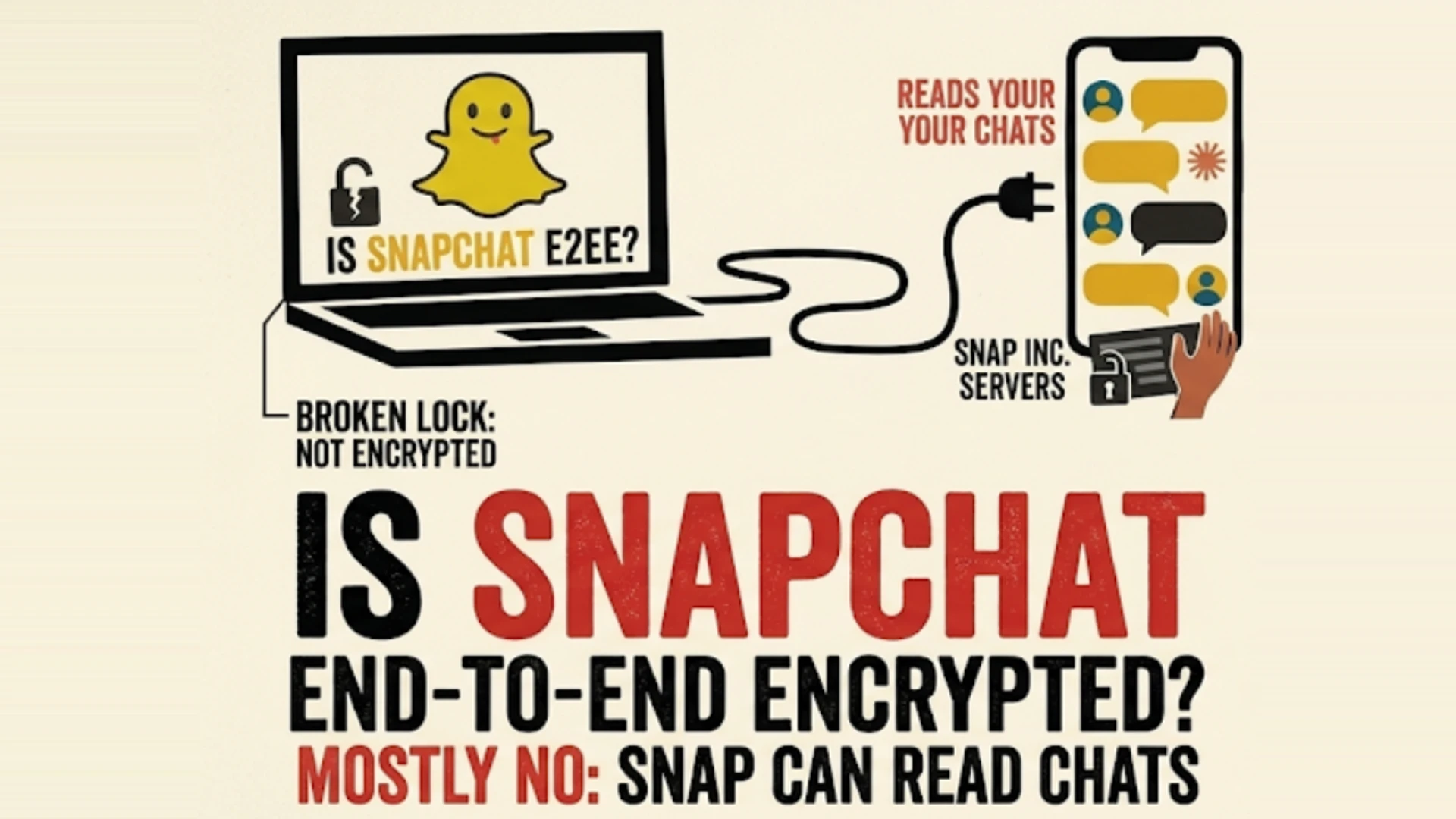
Snapchat chats and group chats are not end-to-end encrypted. Photo and video Snaps reportedly are, and My Eyes Only is the one place Snap says it can't look. What Snap keeps, what it gives police (27,555 US requests in six months), what My AI stores, and why Snap won't encrypt chats.
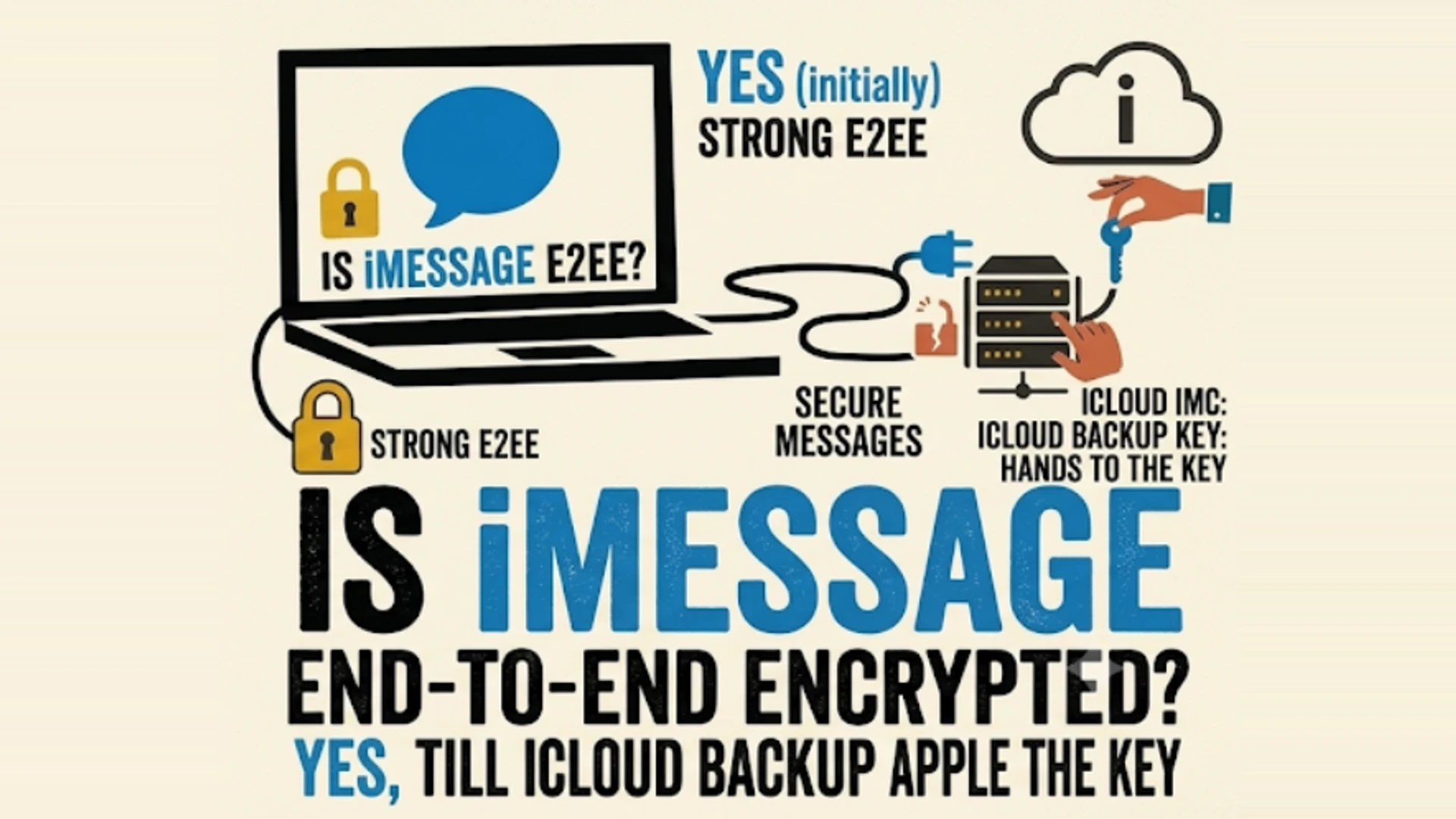
iMessage and FaceTime are end-to-end encrypted, even post-quantum. But with iCloud Backup on and Advanced Data Protection off, Apple holds a key to your whole message history. Green bubbles, encrypted RCS, the UK backdoor fight, what Apple logs, and how to lock it down.
Lupyd for iPhone and iPad is in public beta on TestFlight. How to join, what to test, how the same Rust encryption engine runs on iOS, where keys are stored, how it syncs with your other devices, and what isn't finished yet, including push notifications.
Lupyd 1.1.6 lets you choose which device to sign out when your account is full, lets AI agents join chats through firefly-mcp, fixes a rare "Bad Mac" decryption failure, and opens a public iOS beta on TestFlight. Plus what releases 1.1.2 to 1.1.5 changed.
Since Lupyd 1.1.6, an AI agent can join your chats as an ordinary, end-to-end encrypted member through firefly-mcp, a local Model Context Protocol server. Here's how it works, how to set it up with Claude Desktop or Claude Code, how to run several agents, and how to keep your chats safe.
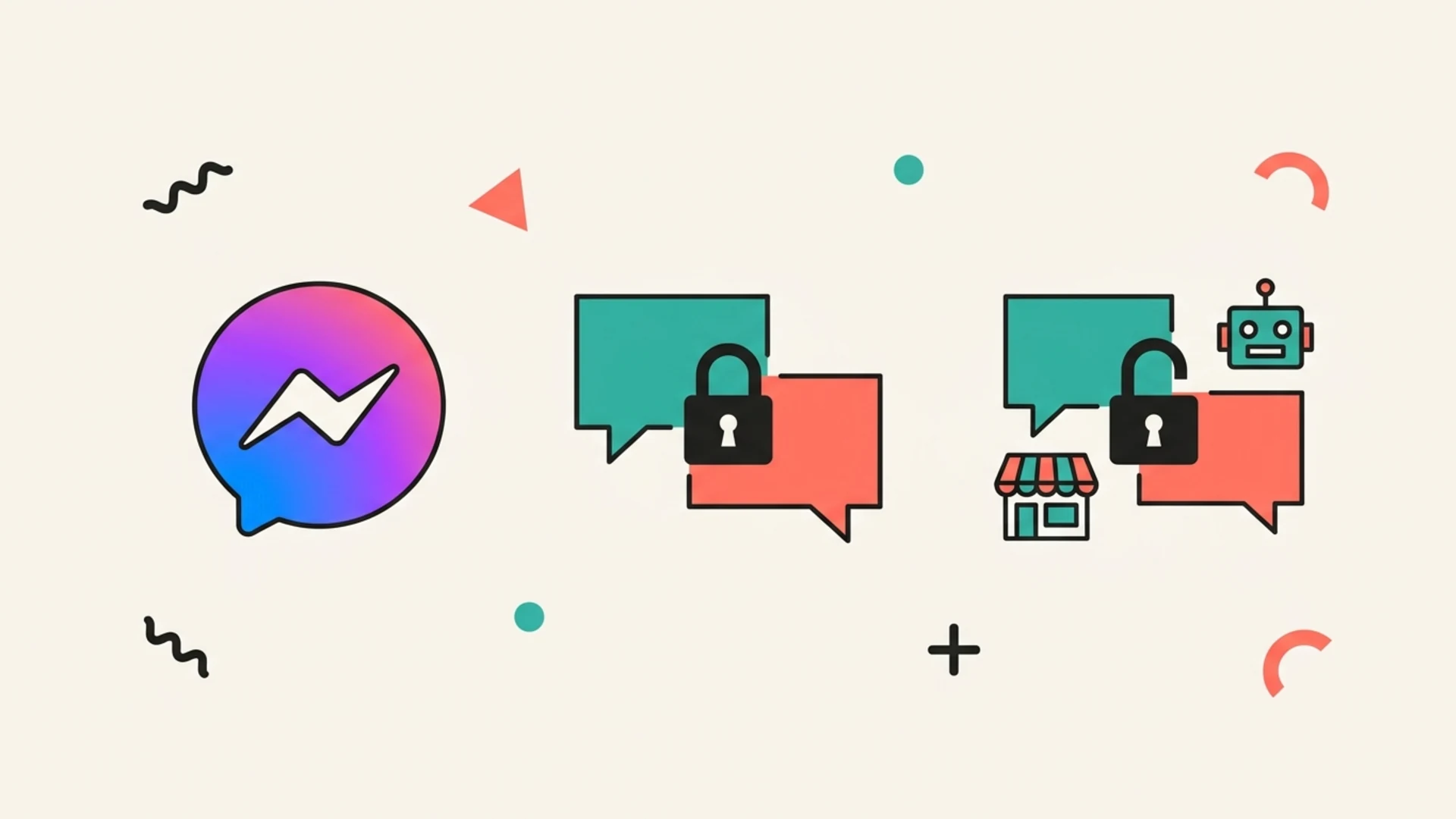
Personal one-to-one Messenger chats and calls have been end-to-end encrypted by default since December 2023, using the Signal Protocol and Meta's Labyrinth protocol for history. Group chats are only encrypted if set up that way, and business chats, Marketplace, Meta AI and reported messages are readable by Meta. Nothing changed for Messenger when Instagram dropped encryption in May 2026.
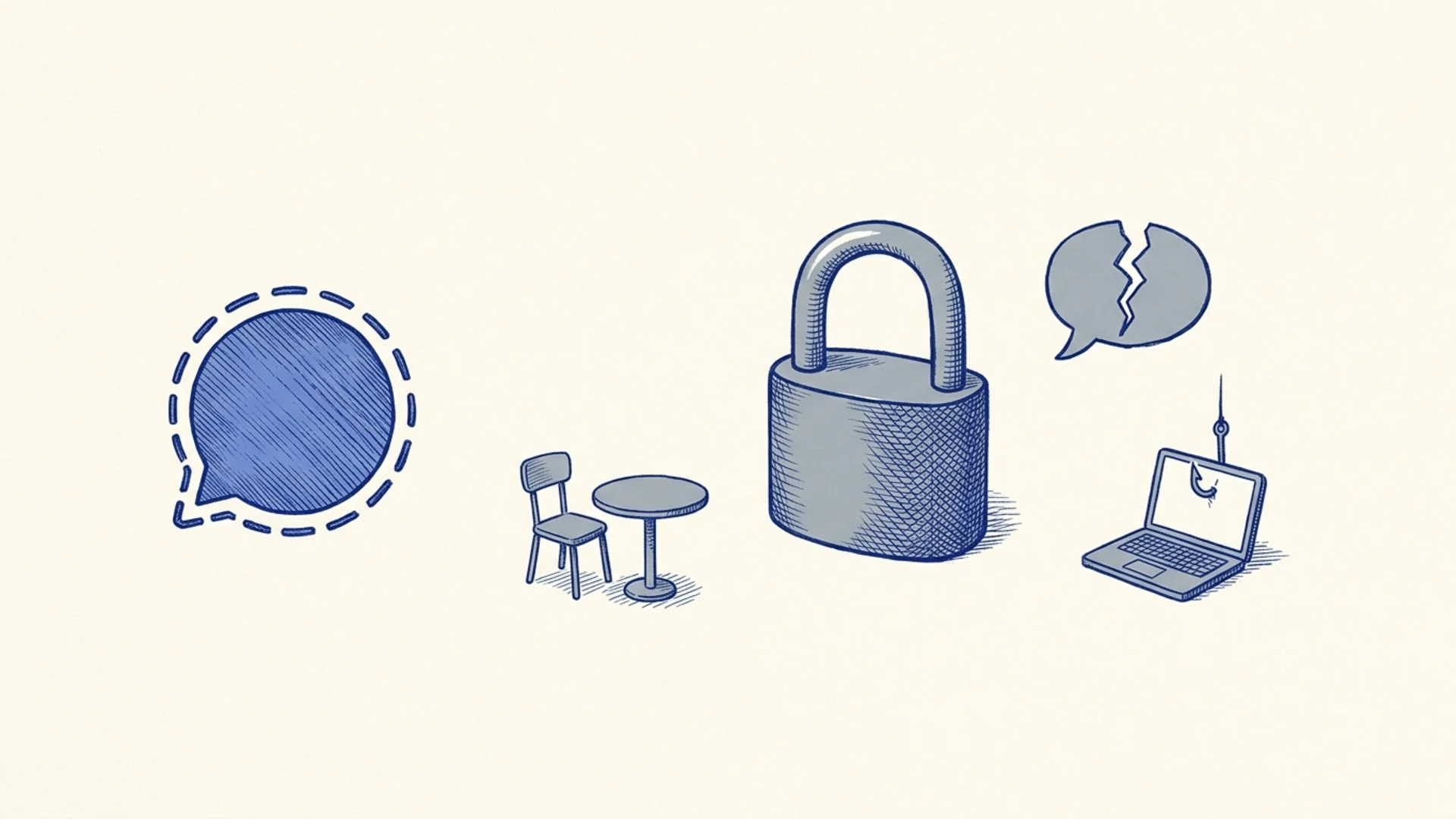
A timeline of Signal's security incidents as of November 2026: the 2022 Twilio breach, Signalgate, the TM SGNL clone hack, Russian linked-device and account-takeover phishing, Cellebrite, subpoenas and patched bugs. Signal's encryption and servers have not been shown to leak message content.
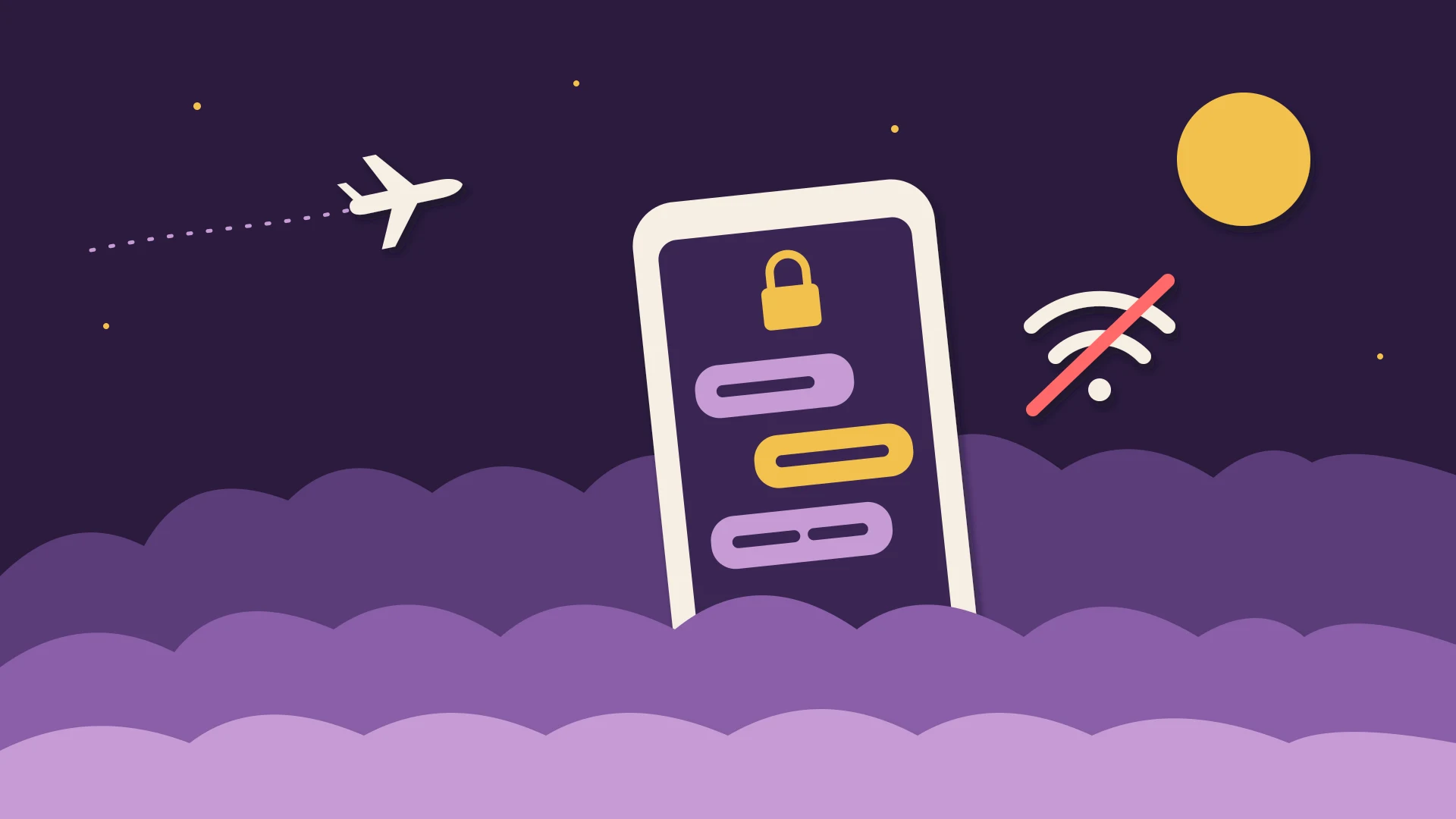
On a flight, in a basement or on a patchy train connection, most chat apps show a spinner. Lupyd opens your conversations and groups from the copy already stored on your device. Why end-to-end encryption makes local-first the natural design, how Lupyd notices a dead connection and catches up, the bug we fixed along the way, and what still needs a network.
Slack, Teams and Discord enforce roles on servers that can read your messages. In an end-to-end encrypted group, the server isn't supposed to be in charge. How Lupyd stores roles inside the MLS group, checks every change and message on every device, stops privilege escalation, and where the limits are.
No. Instagram stopped supporting end-to-end encrypted DMs on 8 May 2026, so Meta can read every Instagram direct message again. What the opt-in feature was, why Meta says it pulled it, what happened to old encrypted chats, and where Messenger and WhatsApp stand now.
A timeline of WhatsApp's security incidents as of November 2026: NSO Group's Pegasus, Paragon's Graphite, the 2025 zero-click chain, fake apps, scraped phone numbers and regulatory fines. Encryption held; attacks hit phones, numbers and metadata.
A sourced timeline of 13 Telegram security incidents, flaws and privacy controversies from 2016 to November 2026: the 2016 Iranian account takeovers, Hong Kong contact matching, the 42 million record leak from unofficial forks, MTProto attacks, EvilVideo, Durov's arrest and data sharing with authorities, and 2026 app vulnerabilities.
Every notable Zoom security and privacy incident since 2019: the Mac web server, Zoombombing, the false end-to-end encryption claims and FTC order, keys routed through China, the Tiananmen insider case, zero-click bugs, the 2023 AI terms row and the critical patches of 2026.
Every notable Microsoft Teams security event from 2020 to November 2026: Microsoft's own breaches by Storm-0558 and Midnight Blizzard, phishing and fake IT helpdesk attacks over external Teams chats, and the Teams vulnerabilities researchers found. What was exposed, and what end-to-end encryption would and wouldn't have changed.
Discord has had eight notable security incidents since 2023. The worst, in October 2025, exposed about 70,000 government ID photos through a customer service vendor. None was a breach of Discord's own servers, but support desks, scrapers, malware and third-party bots have all exposed user data.
Slack has disclosed two breaches of its own systems, in 2015 and 2022, and fixed several serious bugs. The largest leaks of Slack messages, at Disney, Uber and Nikkei, came through stolen employee logins, because anyone with a working Slack account or token can read everything it can see.
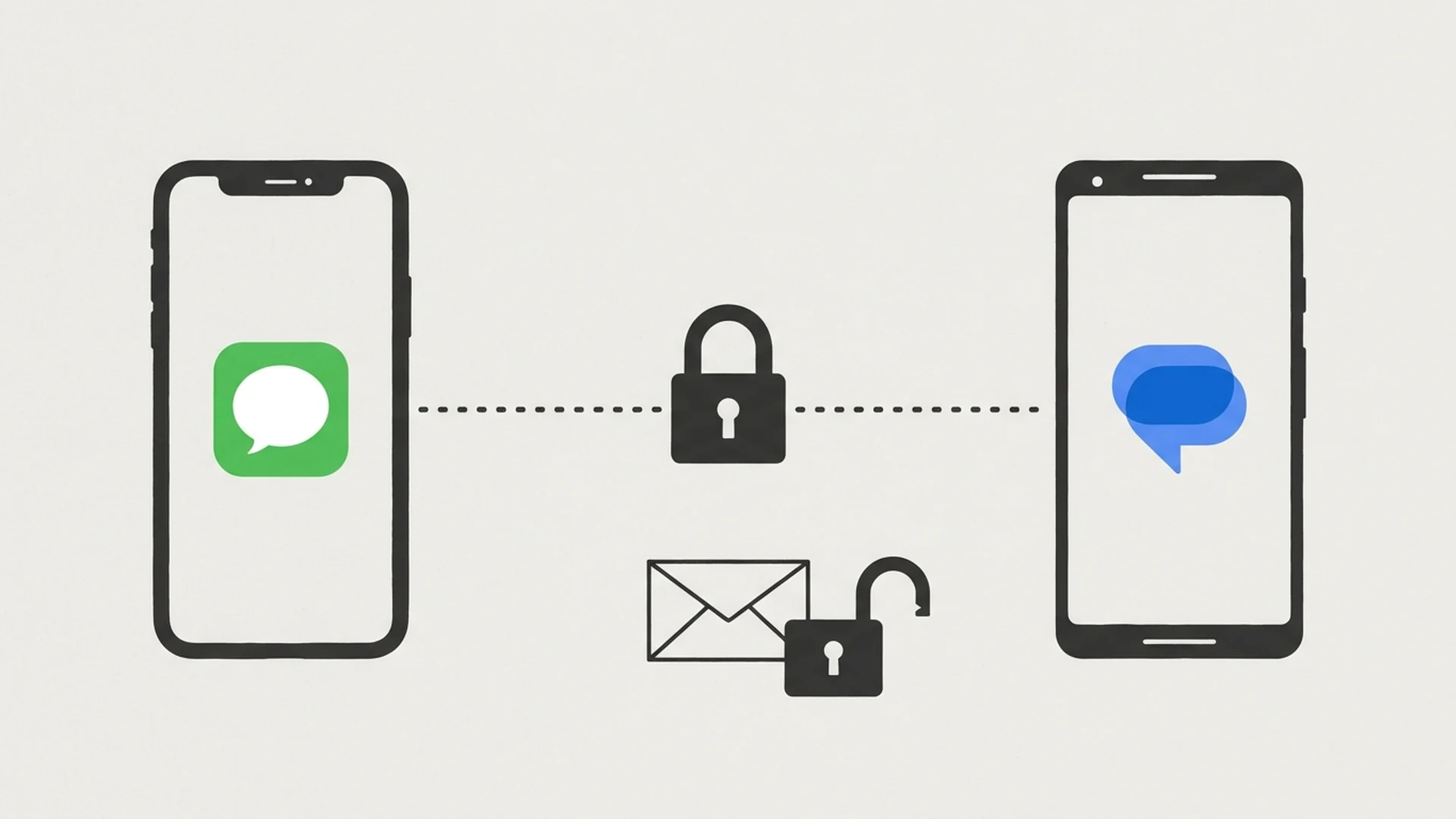
RCS is end-to-end encrypted only in some chats. Google Messages encrypts chats between its users with the Signal Protocol, and since May 2026 iPhone (iOS 26.5) to Google Messages chats are encrypted in beta under the GSMA's MLS-based standard when both carriers support it. Samsung Messages, business messages and SMS fallback are not.
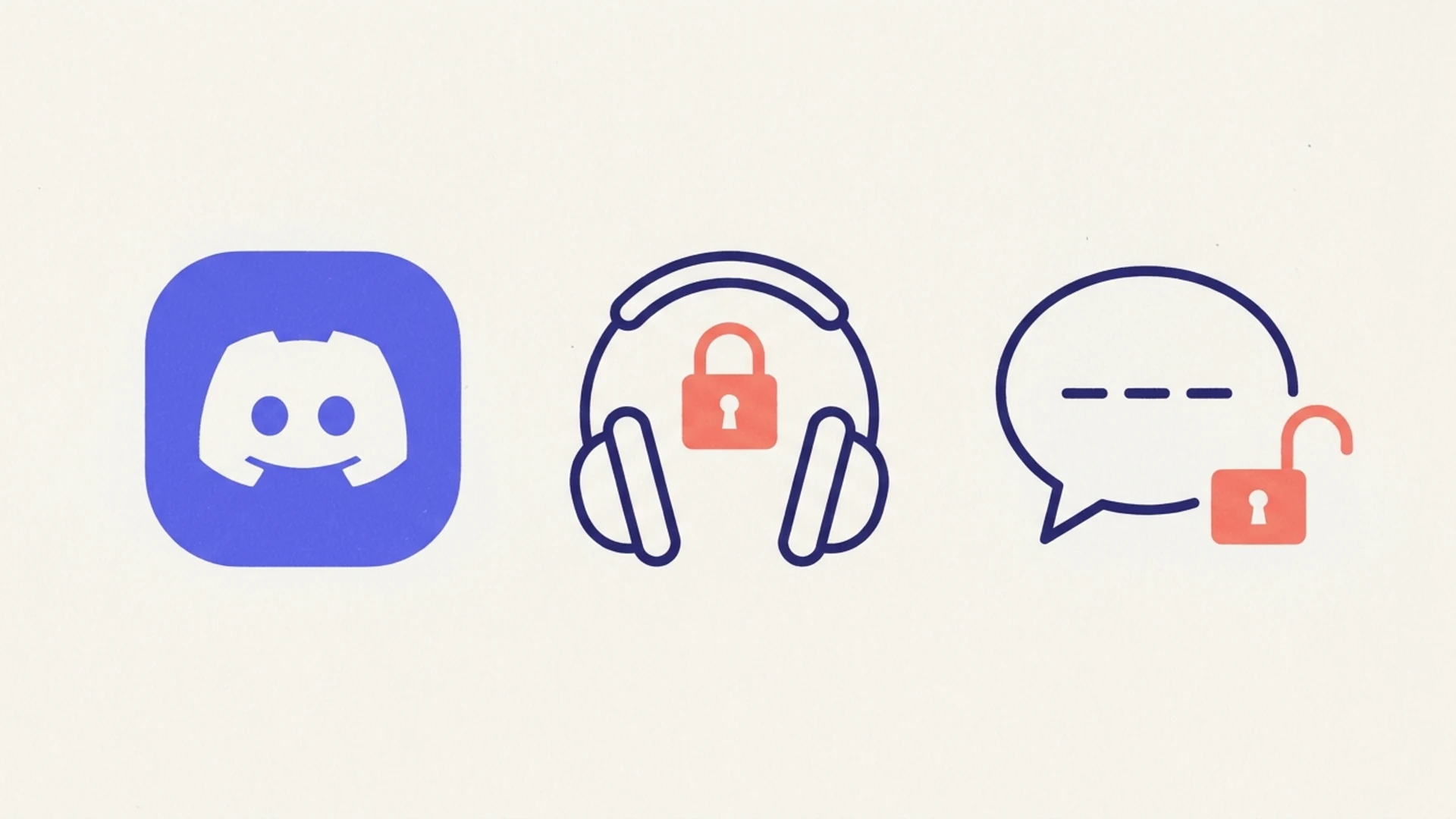
Since March 2026 every Discord voice and video call, in DMs, group DMs, voice channels and Go Live, is end-to-end encrypted by default with the DAVE protocol, built on MLS. Stage channels are excluded. Text messages, DMs and attachments are not end-to-end encrypted, and Discord says it has no current plans to change that.
Browsers can store end-to-end encryption keys in IndexedDB, OPFS or localStorage, but none of them keeps keys away from script on the same origin. What non-extractable WebCrypto keys protect, why WASM crypto libraries need raw key bytes, and where Lupyd's web client keeps its keys.
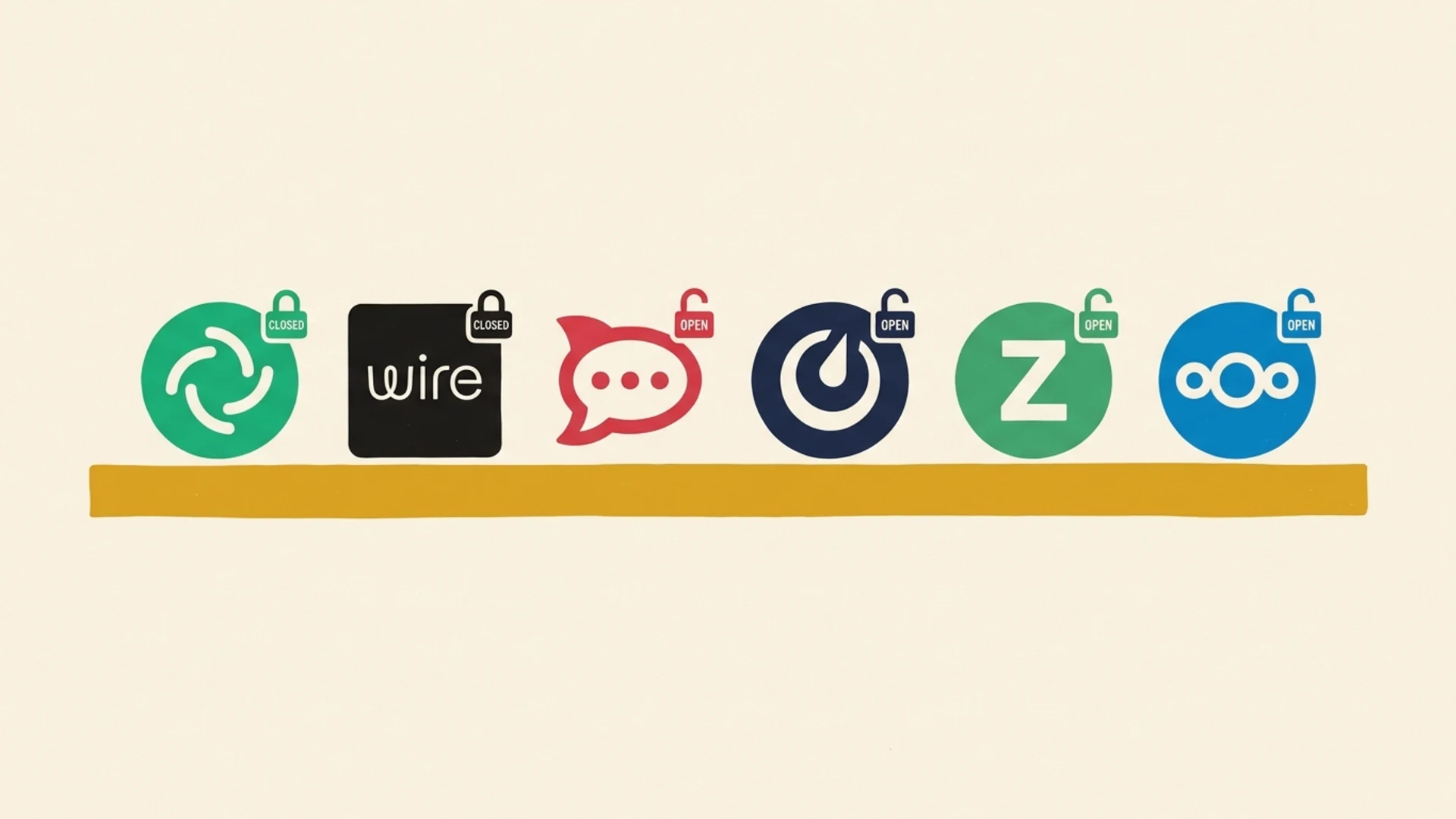
Most open-source team chat apps are not end-to-end encrypted by default. Wire encrypts everything, Element encrypts DMs and private rooms, Rocket.Chat needs an admin to turn it on, and Mattermost, Zulip and Nextcloud Talk chat leave messages readable on the server.
Protobuf has no UUID type and probably never will. We measured the options with protoc: bytes and two fixed64 fields take 18 bytes, a string takes 38. Here is how byte order, JSON mapping, map keys, validation and language bindings decide which one to use.
Every Matrix homeserver with a user in a room keeps a full, signed copy of that room. End-to-end encryption hides message content from all of them, but senders, timestamps, membership, reactions, reply links and room names stay readable. How joins, backfill and state resolution work, what each server stores, and what that means for retention, erasure and moderation.
Standard Zoom meetings use AES-256-GCM, but Zoom's servers hold the meeting key, so they are not end-to-end encrypted. Zoom's opt-in end-to-end encryption, post-quantum since May 2024, works only in the Zoom apps and Zoom Rooms and turns off cloud recording, transcription and AI features. Team Chat is not end-to-end encrypted by default, and Zoom Phone only for upgraded 1:1 calls.
End-to-end encryption doesn't protect messages already on an unlocked phone. What a thief can read depends on the phone's state and the OS's storage encryption; what you can control is removing the device so it gets no new messages, and in MLS groups can't decrypt anything after the removal is committed.
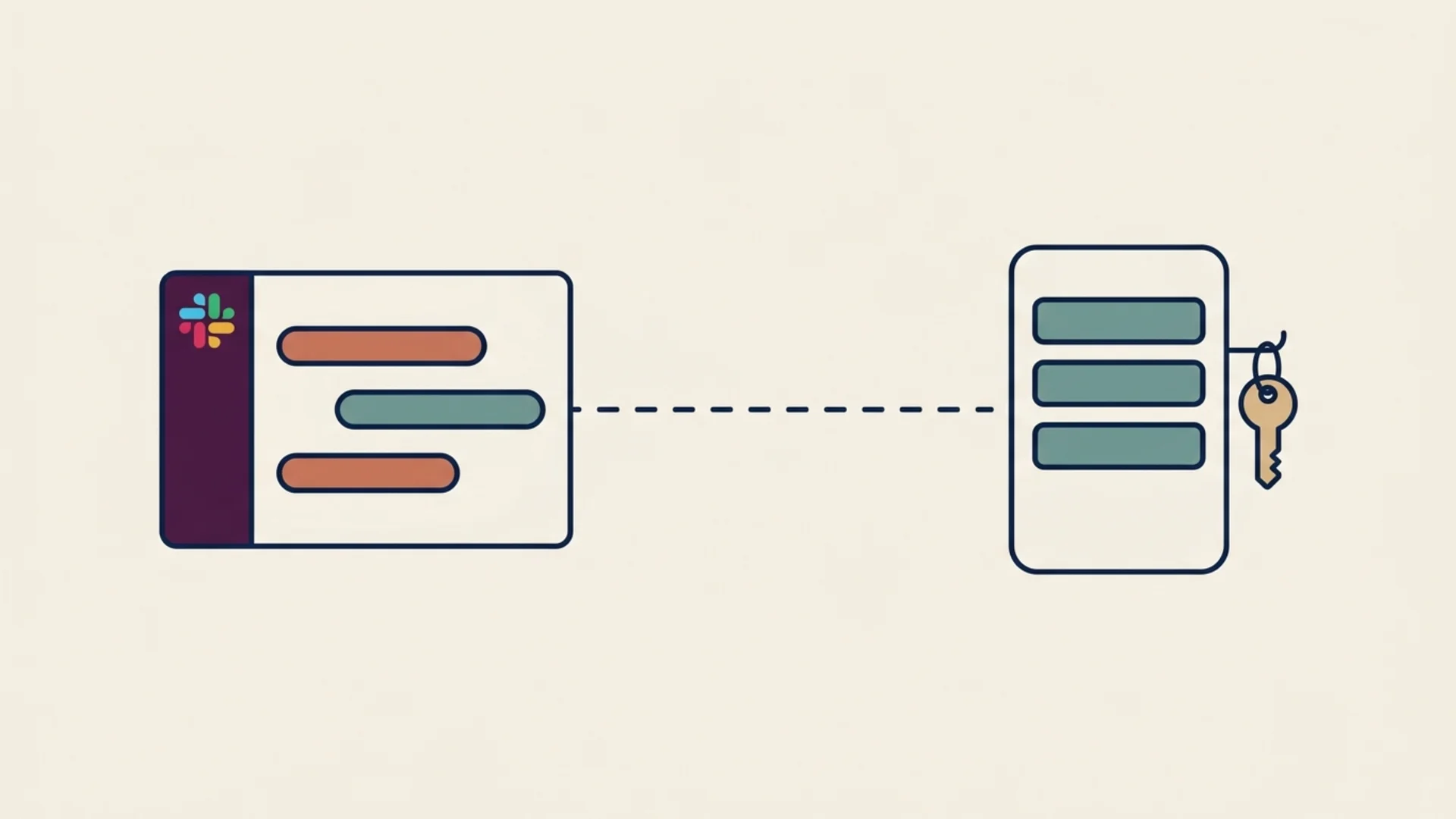
Slack EKM, Microsoft Purview Customer Key and Zoom Customer Managed Key put the master key in your own key vault, but the vendor still decrypts your content to run the service. Google Workspace client-side encryption and Microsoft Double Key Encryption keep the vendor out, but not your organization. Who holds the keys, where content is decrypted, what revoking does, and which to choose for your threat model.
Zoho Cliq encrypts data in transit and at rest with keys Zoho controls, so it is not end-to-end encrypted. Arattai end-to-end encrypts direct chats since November 2025, group chats since September 2026, and all calls, using the Signal protocol. Meetings, channels, Pocket and unencrypted backups are the gaps.
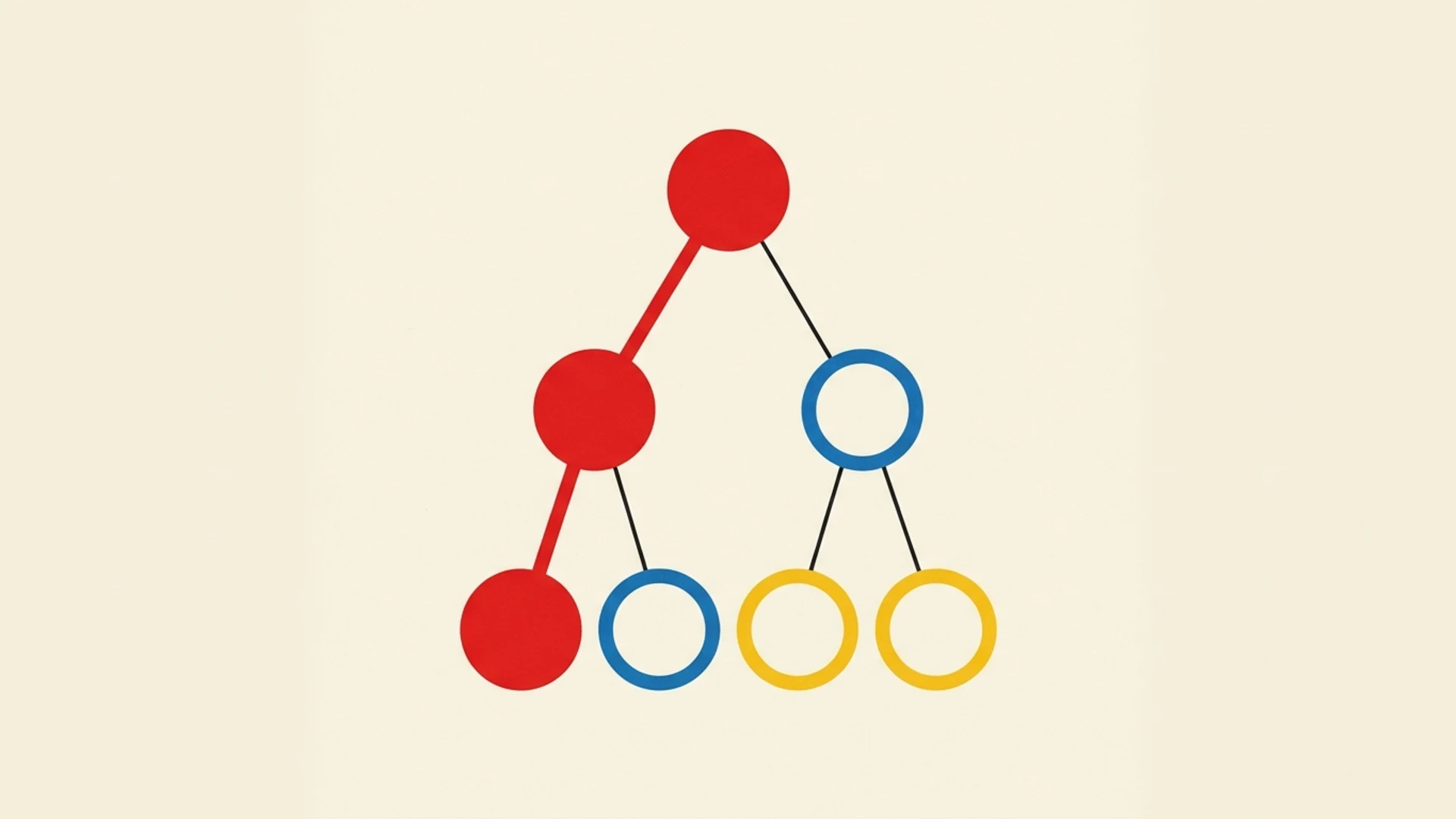
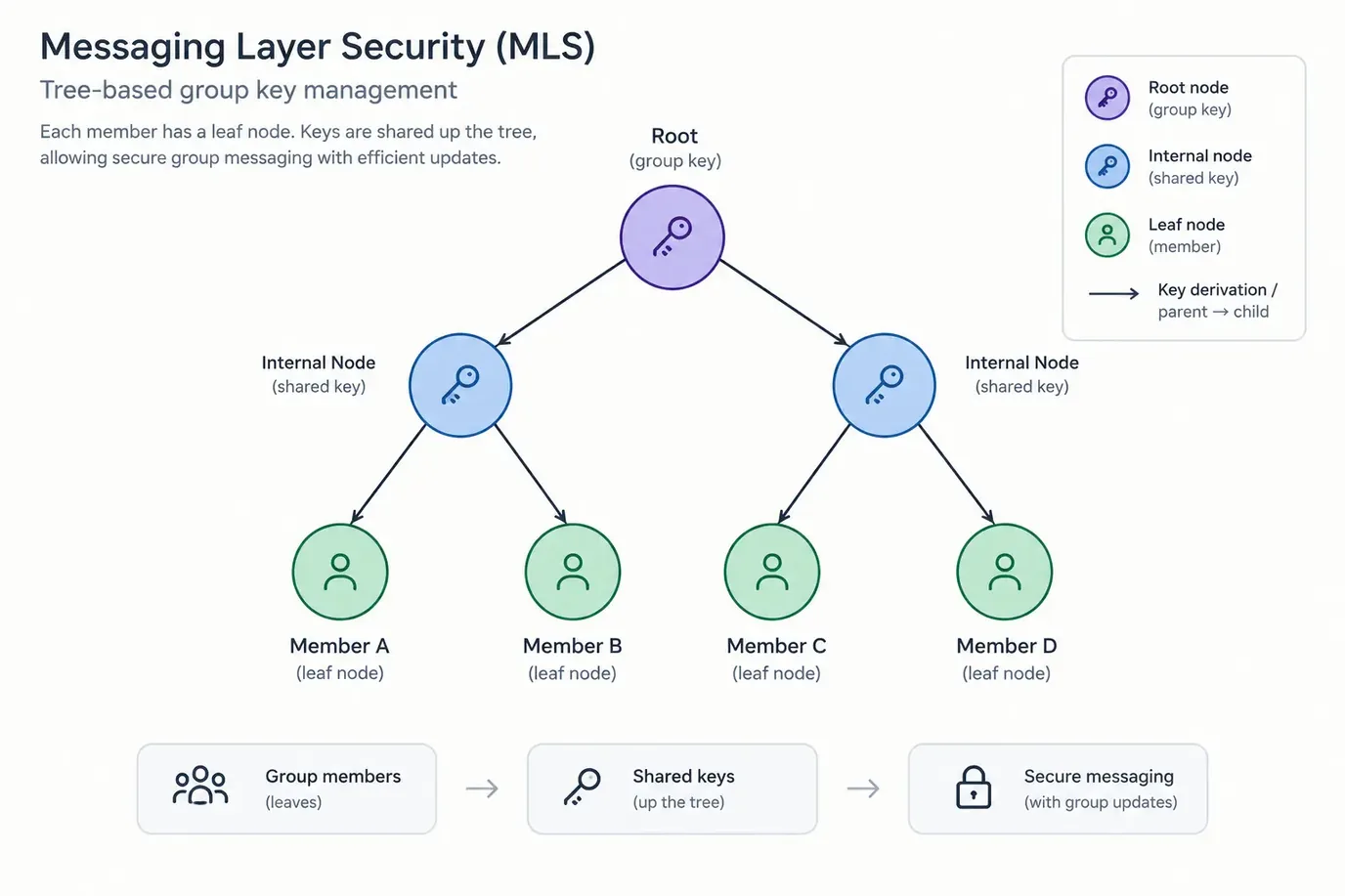
TreeKEM is the ratchet tree inside MLS. Members are leaves, parent nodes hold HPKE key pairs, and one UpdatePath replaces every key from a member's leaf to the root with about log2(n) ciphertexts. Here is how it works, with RFC 9420 section numbers, where the log(n) bound breaks, and what it does not do.
Google Meet meetings are encrypted in transit and at rest, not end-to-end. Legacy calls are end-to-end encrypted, personal Meet calls can be, and Workspace meetings need client-side encryption on Enterprise Plus or Education plans. Google Voice is not end-to-end encrypted.
Lupyd's new web client at app.lupyd.com runs Firefly, the same Rust encryption engine as our desktop and mobile apps, compiled to WebAssembly. How we reused the Tauri app's commands, put SQLite in the browser's private file system, what the engine costs to download, and what the web version still can't do.
India's CERT-In Directions require 180-day ICT logs and 6-hour incident reports, and the DPDP Rules 2025 add one-year retention. Here is how those rules apply to an end-to-end encrypted messenger, what it can and cannot hand over, and what Lupyd holds today.
Kyber-1024 makes every prekey bundle about ten times larger. Sizes worked out from the spec and libsignal, one-time vs last-resort keys, atomic claim-and-delete, replenishment, what the server must check, and measured PostgreSQL storage per device, using Lupyd's Firefly code as the worked example.
When two members of an MLS group commit at the same epoch, only one can win. A walk through the real code in Lupyd's open-source server and client: how the server picks the winner, what the losing client does, how Postgres backs it up, and the failure case we have not closed yet.
What GDPR actually requires of a messaging service, what Lupyd stores and for how long, which providers process it, and where we still fall short. We have not had an external audit yet, so instead of a badge, here is the full picture.
In October 2026 a researcher found that eight eMudhra intermediate CA keys were integers below 256. One was the number 4. Browsers blocked them within hours and distrusted a root. What went wrong, who was exposed, and what it does and does not mean for Indian digital signature certificates.
A clear guide to what AI features mean for your private messages, how model training works, and how to keep your conversations strictly yours.
The generation that grew up online is rethinking what it shares, who sees it, and which apps it trusts. Here's what's changing and why.
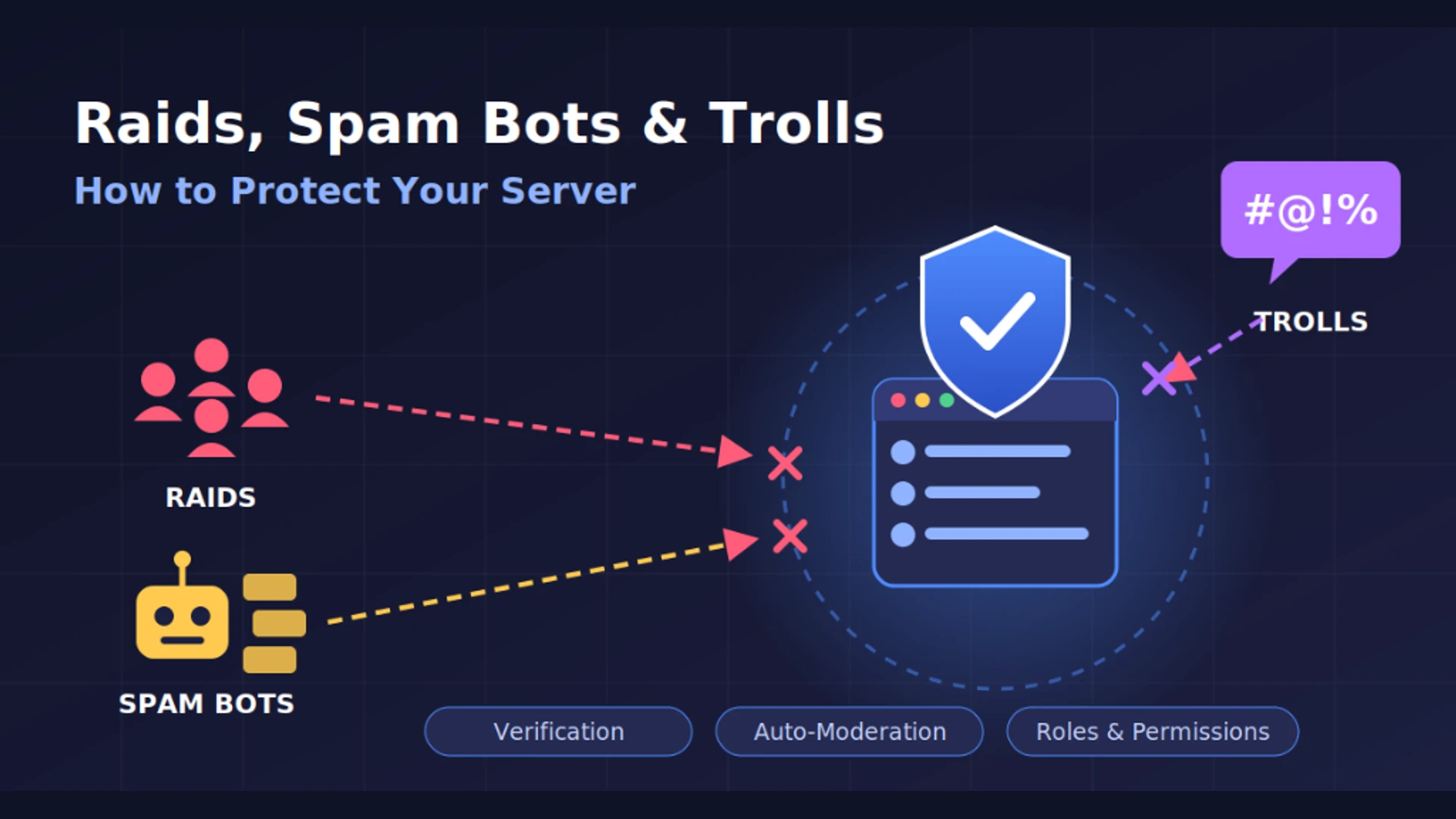
A practical guide for server owners and moderators to stop raids, block spam bots, and handle trolls before they wreck your community.
Google Chat encrypts messages in transit and at rest, but it is not end-to-end encrypted. Google holds the keys, meaning Google and Workspace admins can access content. Here is what firms need to know about compliance, risks, and safer alternatives.
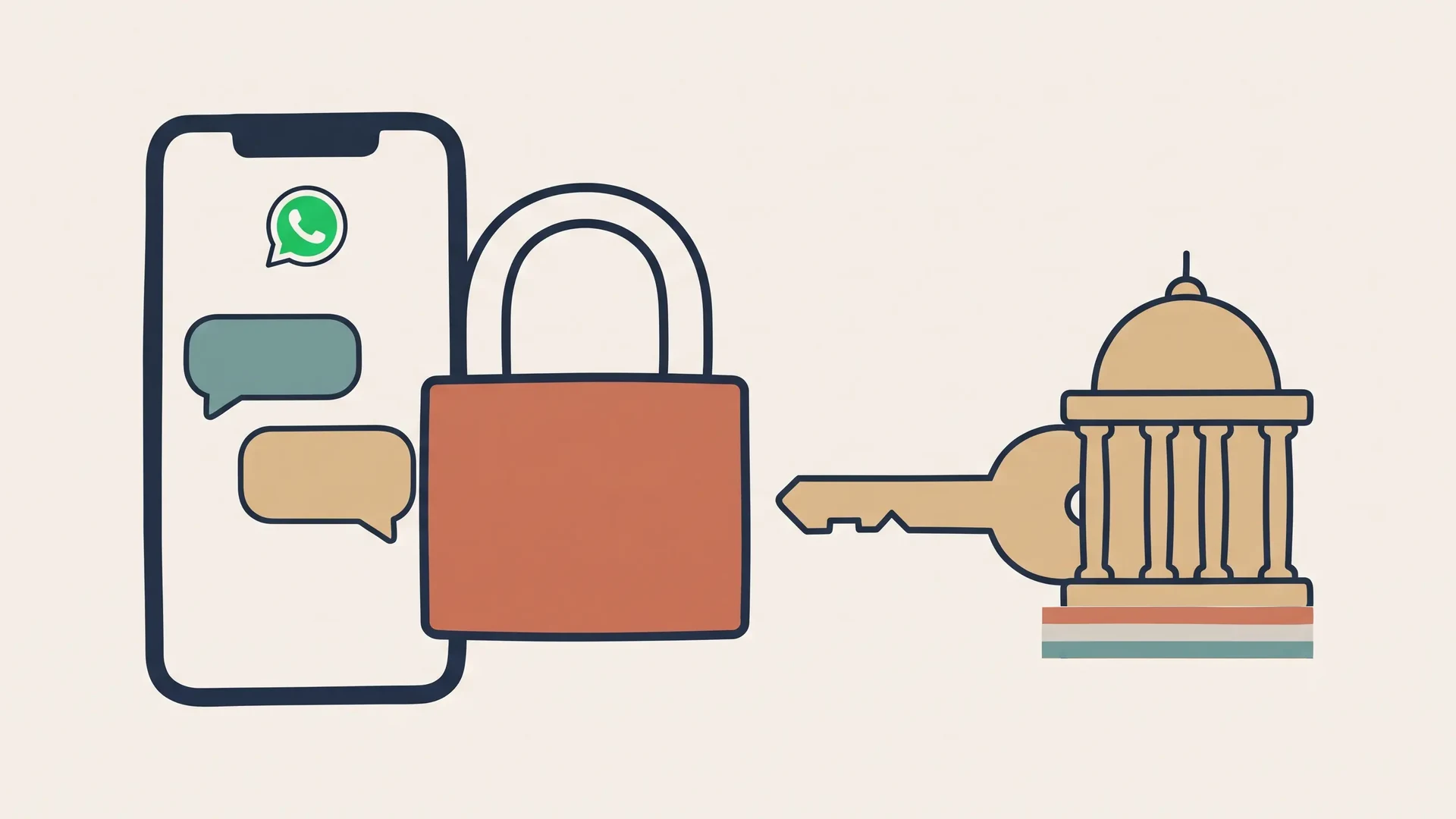
WhatsApp is end-to-end encrypted, but that does not make it safe for client communication. Cloud backups bypass encryption, Meta collects extensive metadata, and departing employees retain client files on personal devices. Here is what firms must know.
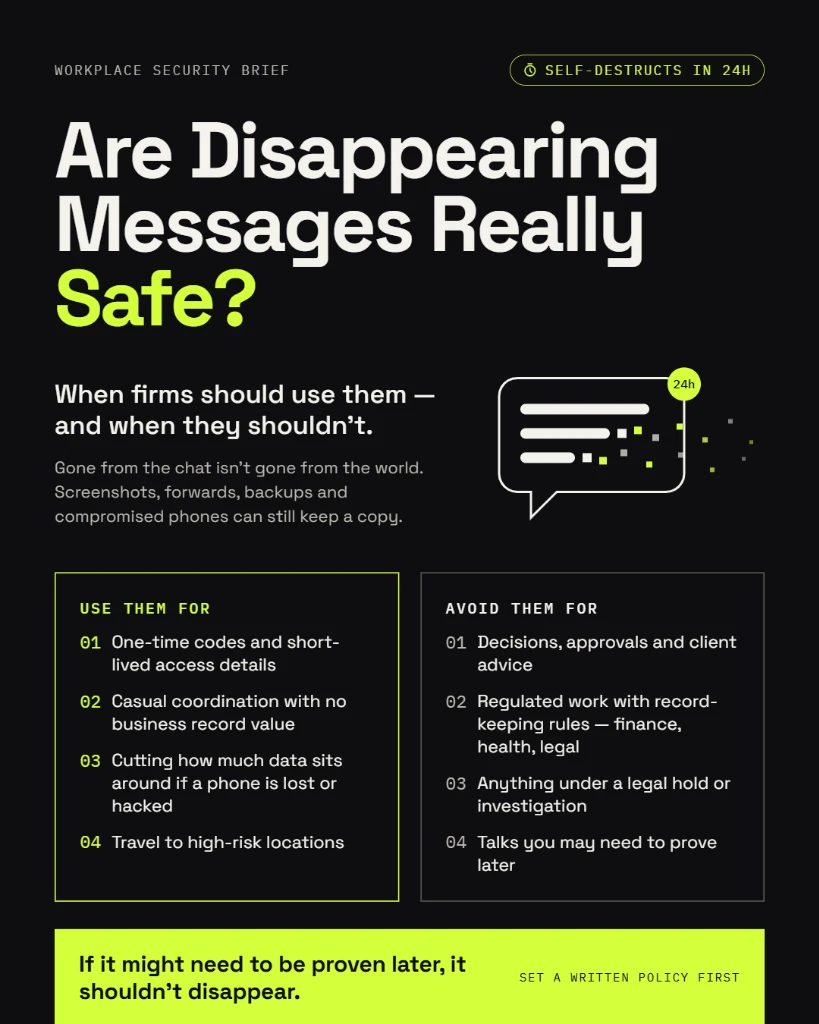
Disappearing messages reduce the risk of past data leaking, but they cannot stop screenshots, photo captures, or forwards. Worse, careless use can breach statutory record retention laws in India like the Companies Act and GST Act. Here is a practical policy for professional firms.
Viral posts say WhatsApp just told a court it will leave India rather than break encryption. That hearing was in April 2024. The real 2026 story is different: a username standoff with MeitY, a SIM-binding deadline, pressure on safe harbour, and a traceability case that hasn't been decided.
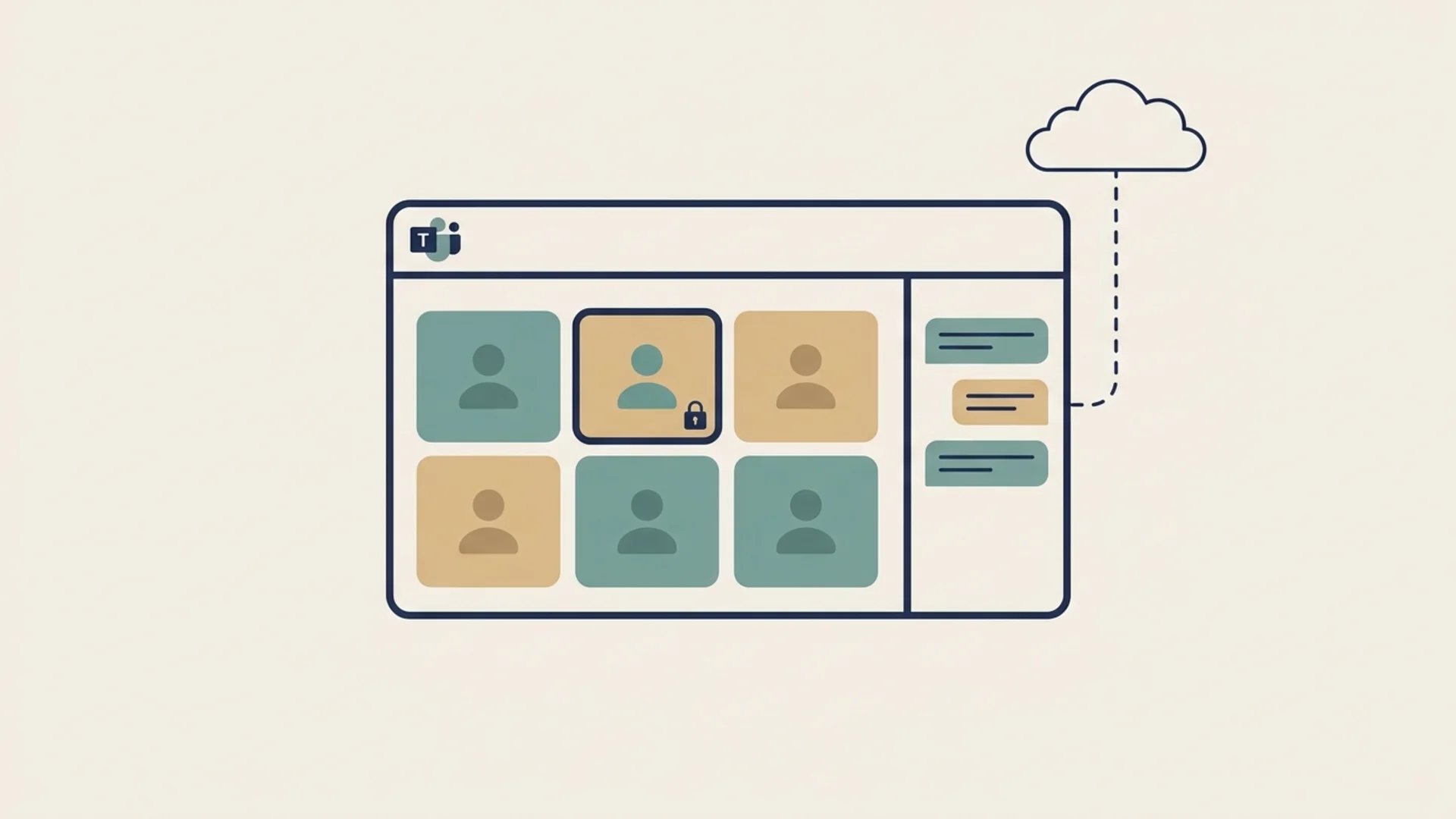
Teams chats, channels, files and group calls are not end-to-end encrypted. Only one-to-one calls (if enabled) and Teams Premium meetings can be, and never chat. What Teams encrypts, how to turn E2EE on, and what it disables.
Slack is encrypted in transit and at rest, but it is not end-to-end encrypted on any plan, and Enterprise Key Management doesn't change that. What that means for DMs, exports, integrations and your team.
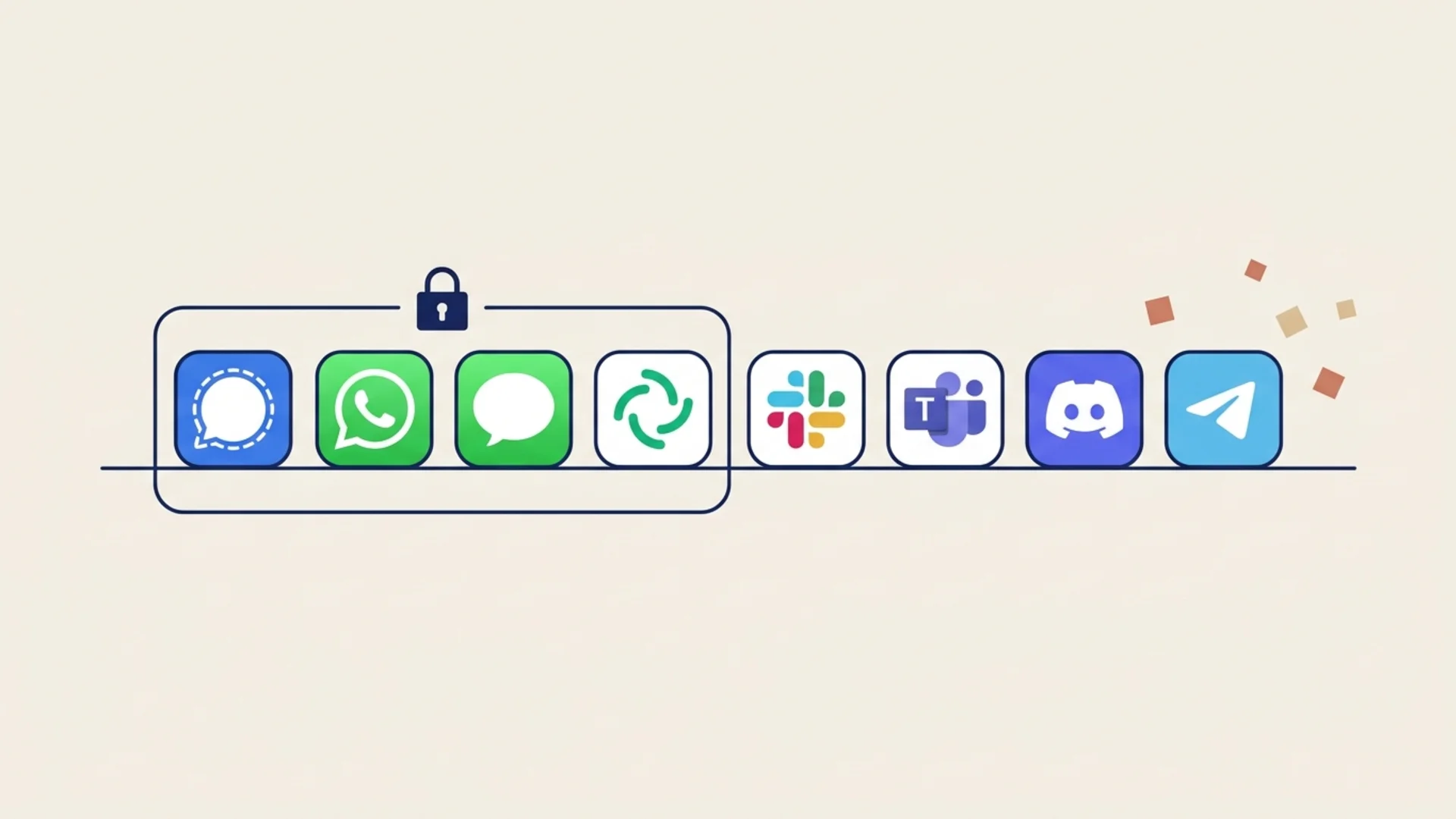
Signal, WhatsApp, iMessage, Element and Lupyd encrypt chats and groups end to end by default. Slack, Teams, Google Chat, Discord text and Instagram DMs do not. A table of 14 apps covering chats, groups and calls, checked October 2026.
The UK, Australia, the EU, more than 25 US states, Brazil, Indonesia and others now require online services to check users' ages. This brief covers what each law requires, how Meta, YouTube, Discord, Roblox, Apple and others verify age, whether users can avoid it, and the evidence on both sides.
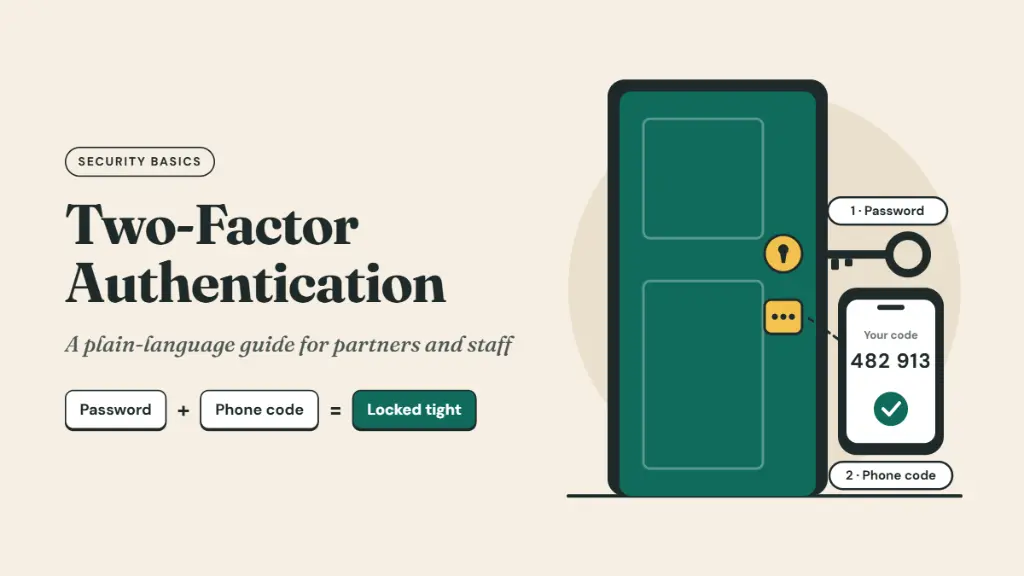
Most account takeovers don't involve clever hacking: just a stolen password. Two-factor authentication (2FA) is the single most effective step your firm can take against this. This plain-language guide explains 2FA, which method to choose, and gives you a checklist to roll it out across your firm.
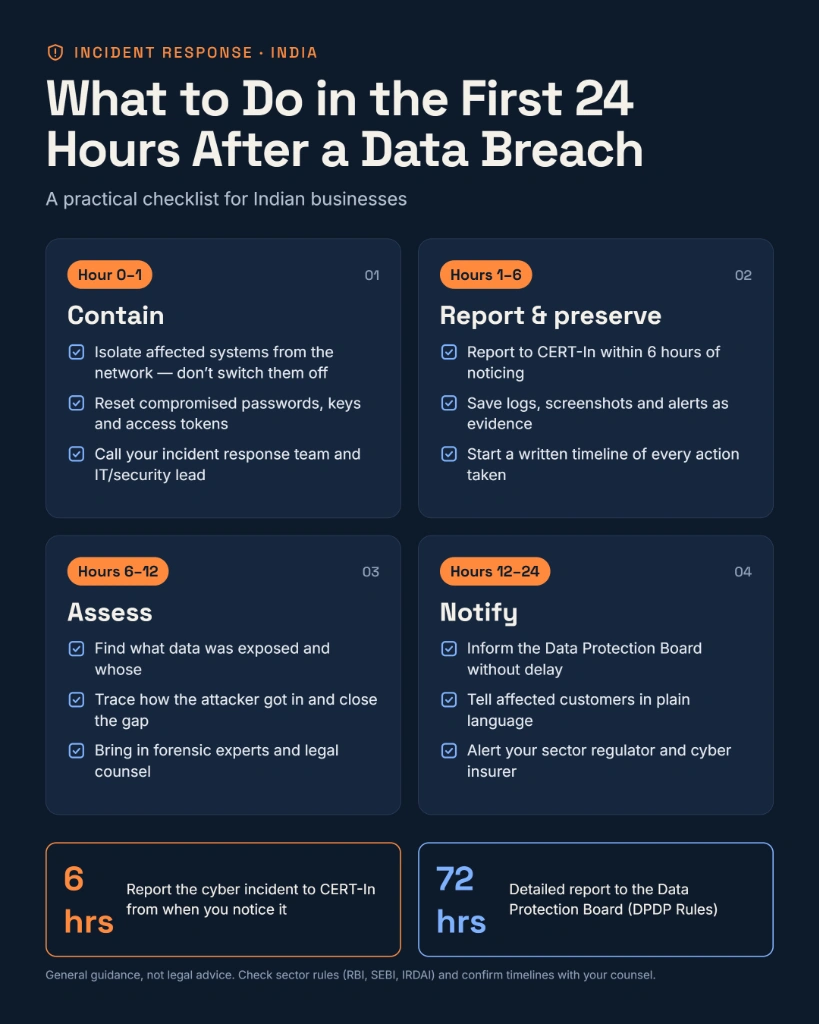
The first 24 hours after a data breach decide how much damage it does. Learn the critical hour-by-hour action plan for Indian businesses, CA firms, and law firms, covering CERT-In 6-hour deadlines, DPDP 72-hour reporting, evidence preservation, and secure out-of-band communication.
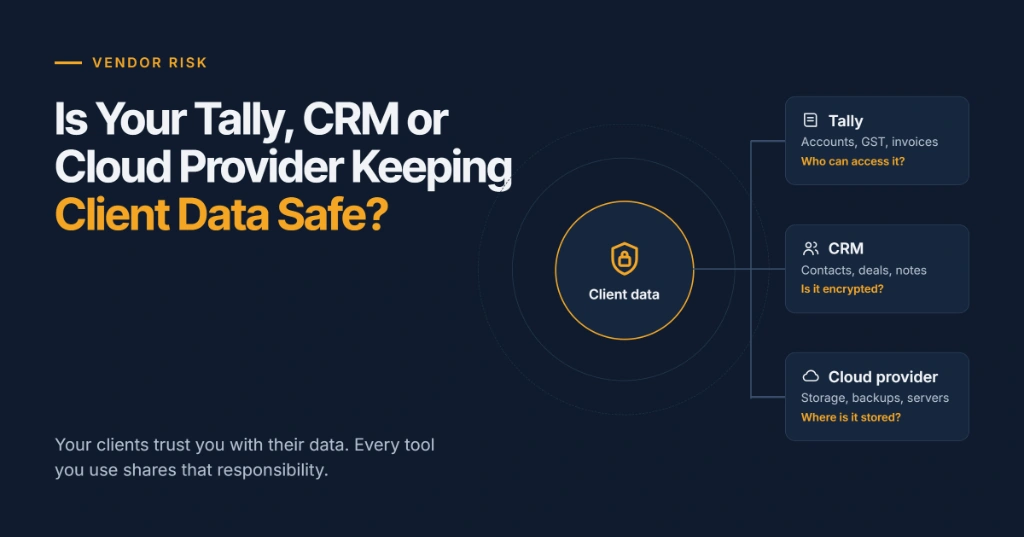
Your firm may lock its office and train staff on phishing, but most client data lives inside your accounting software, CRM, cloud storage, and chat apps. Learn how vendor risk affects your liability under India's DPDP Act, who holds your encryption keys, and 10 questions to ask every software provider.
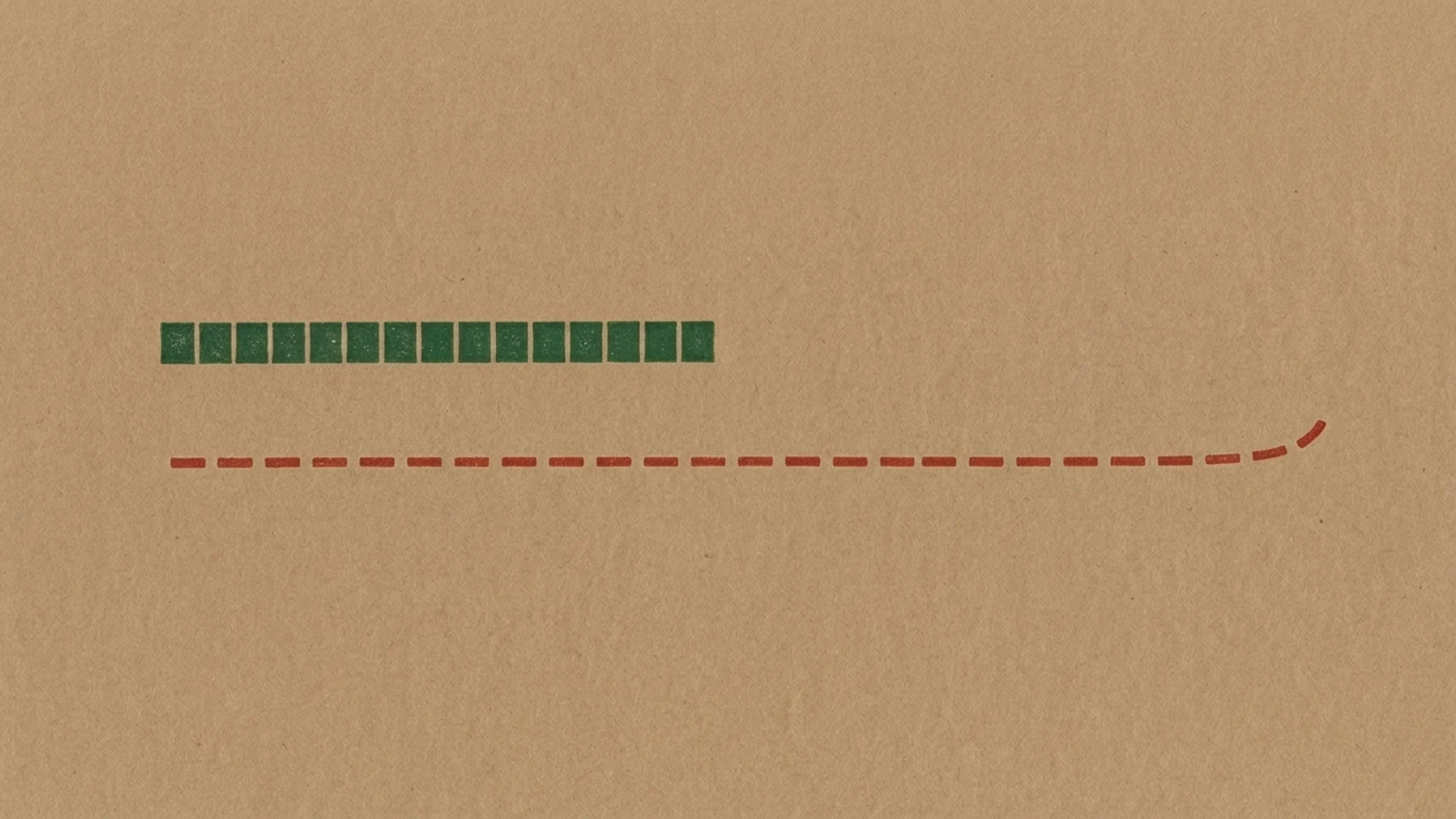
We ran a 1,500-endpoint benchmark comparing WebTransport against WebSockets under simulated cellular packet loss and WAN latency in Firefly. Here are the hard numbers: an 80% cut in tail latency, 85% lower peak CPU, and the real-world trade-offs in memory and bandwidth.
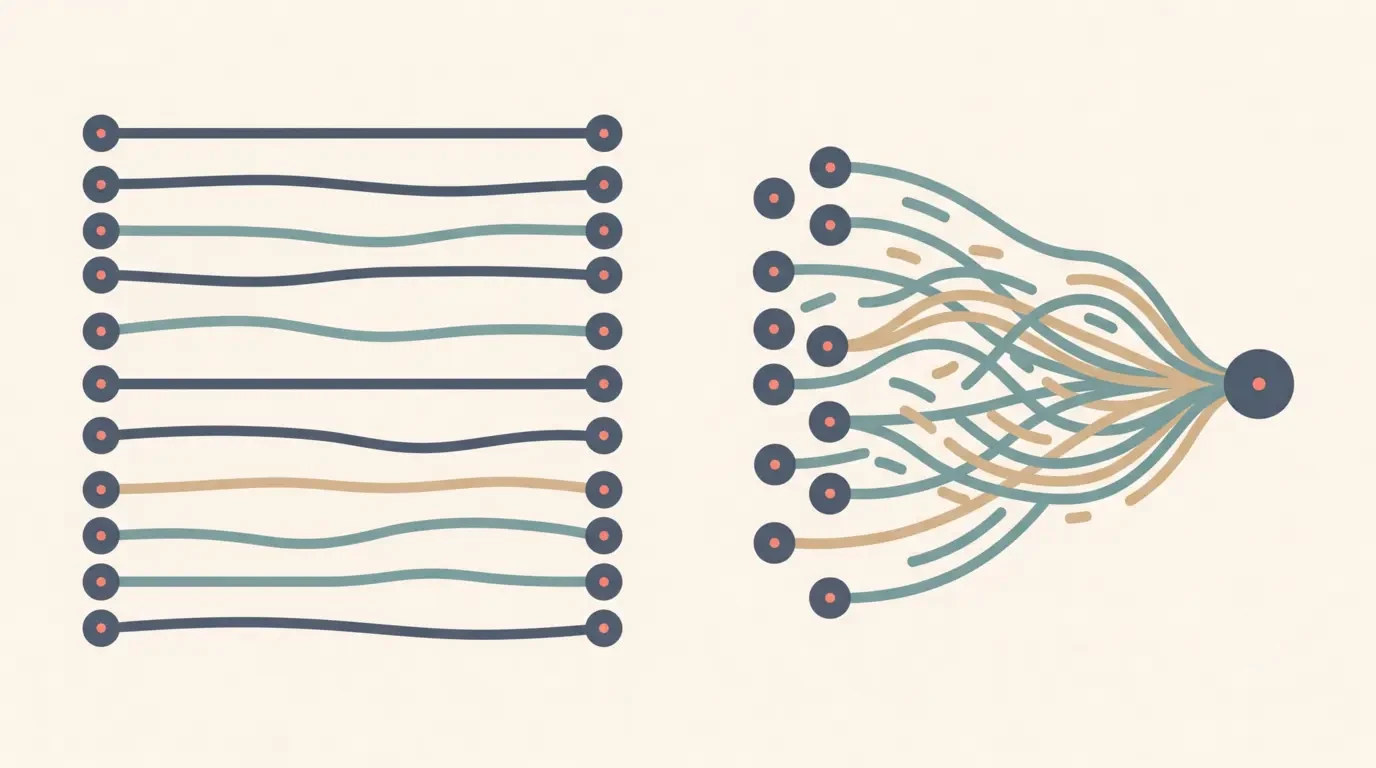
WebTransport offers multiplexed streams without head-of-line blocking and unreliable datagrams over QUIC. All major browsers support it. Yet almost no one uses it in production. Here is why the reverse proxy bottleneck is keeping the web on WebSockets.
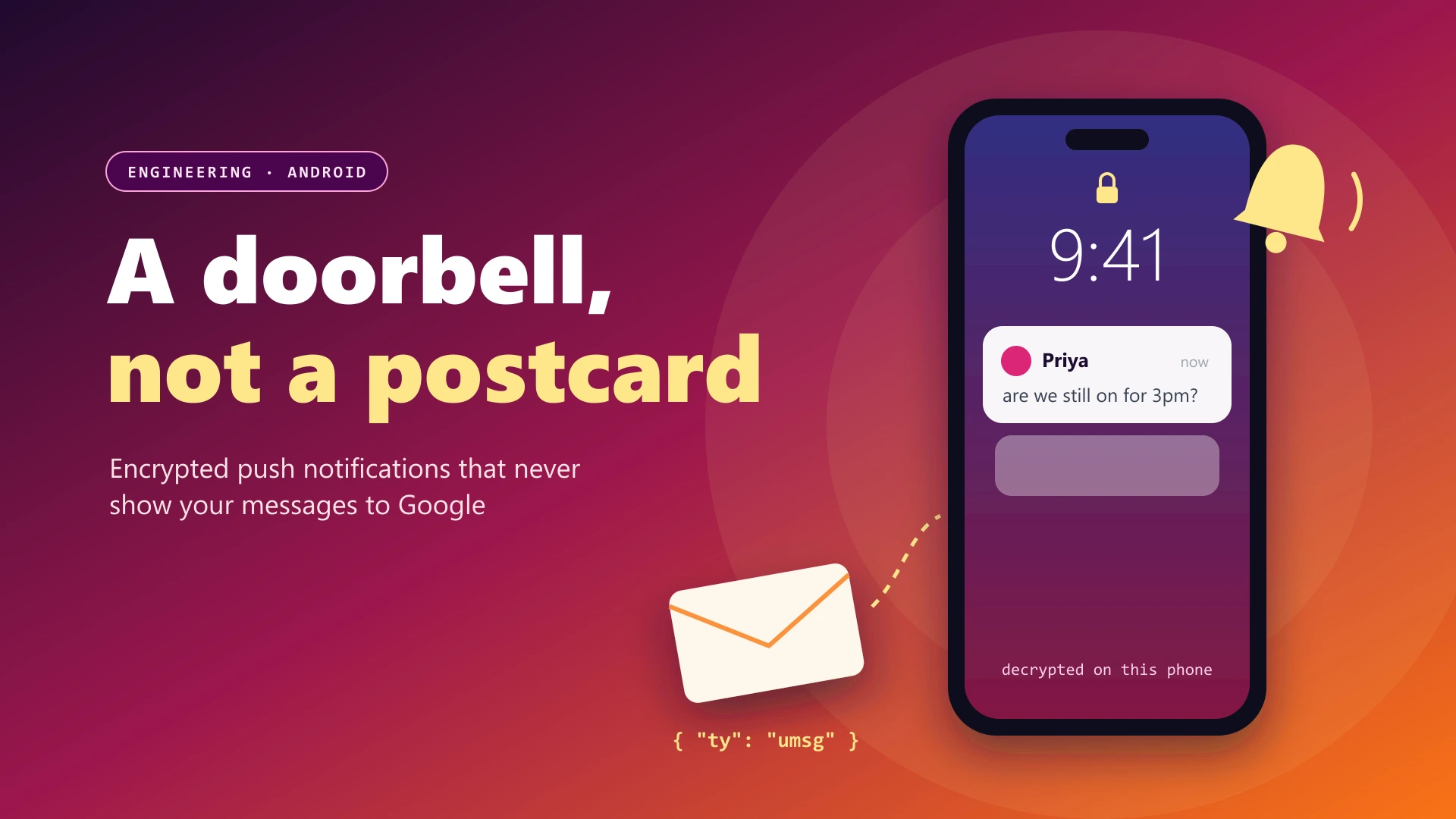
Push notifications are where many encrypted apps leak message previews to Google. Here's how Lupyd sends a content-free FCM wake-up push, then fetches and decrypts messages on the phone, with real Kotlin and Rust code.
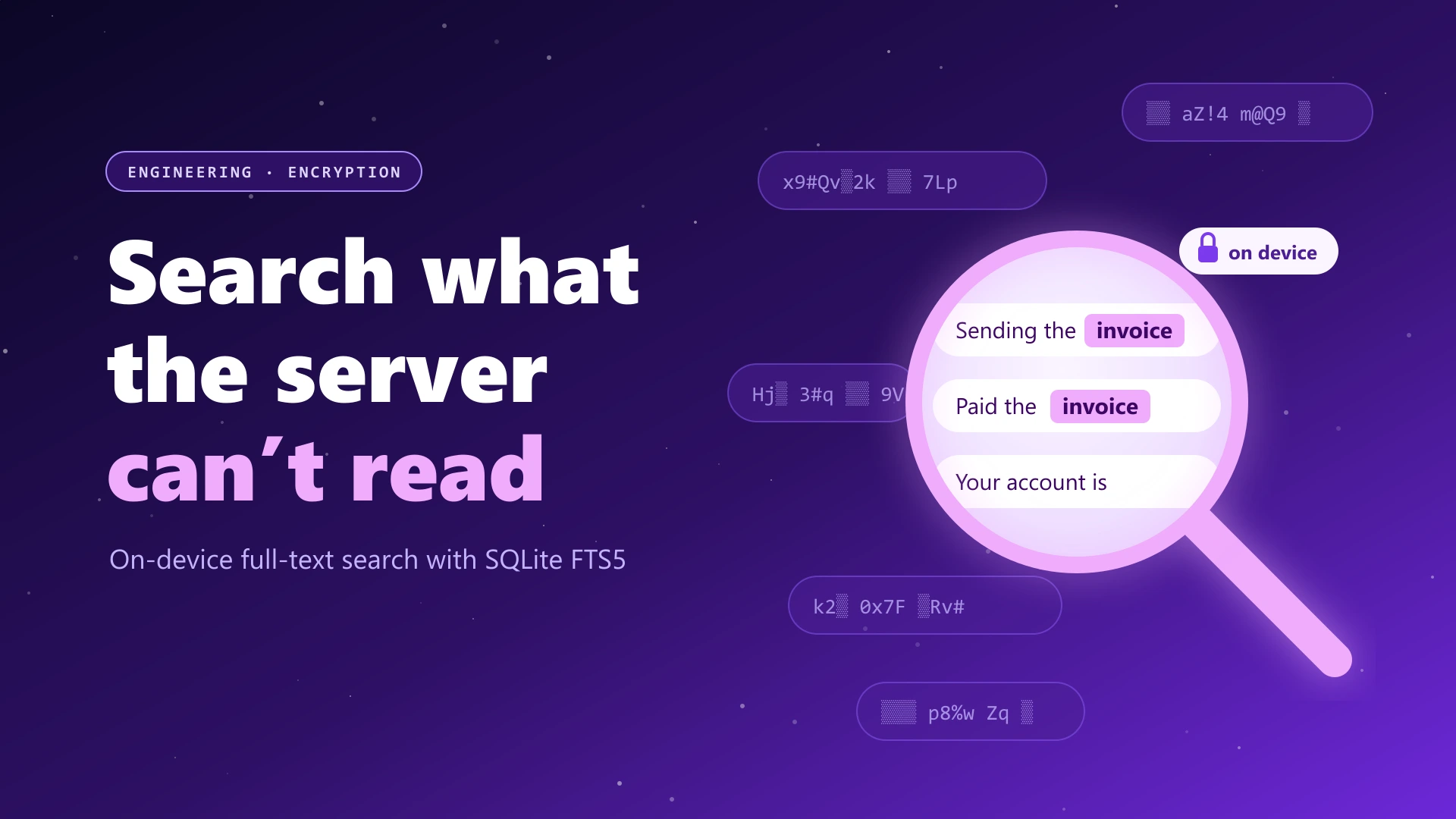
If the server can't read your messages, it can't search them. Here's how Lupyd searches end-to-end encrypted chats entirely on your device with SQLite FTS5 and Rust, with real code and honest tradeoffs.
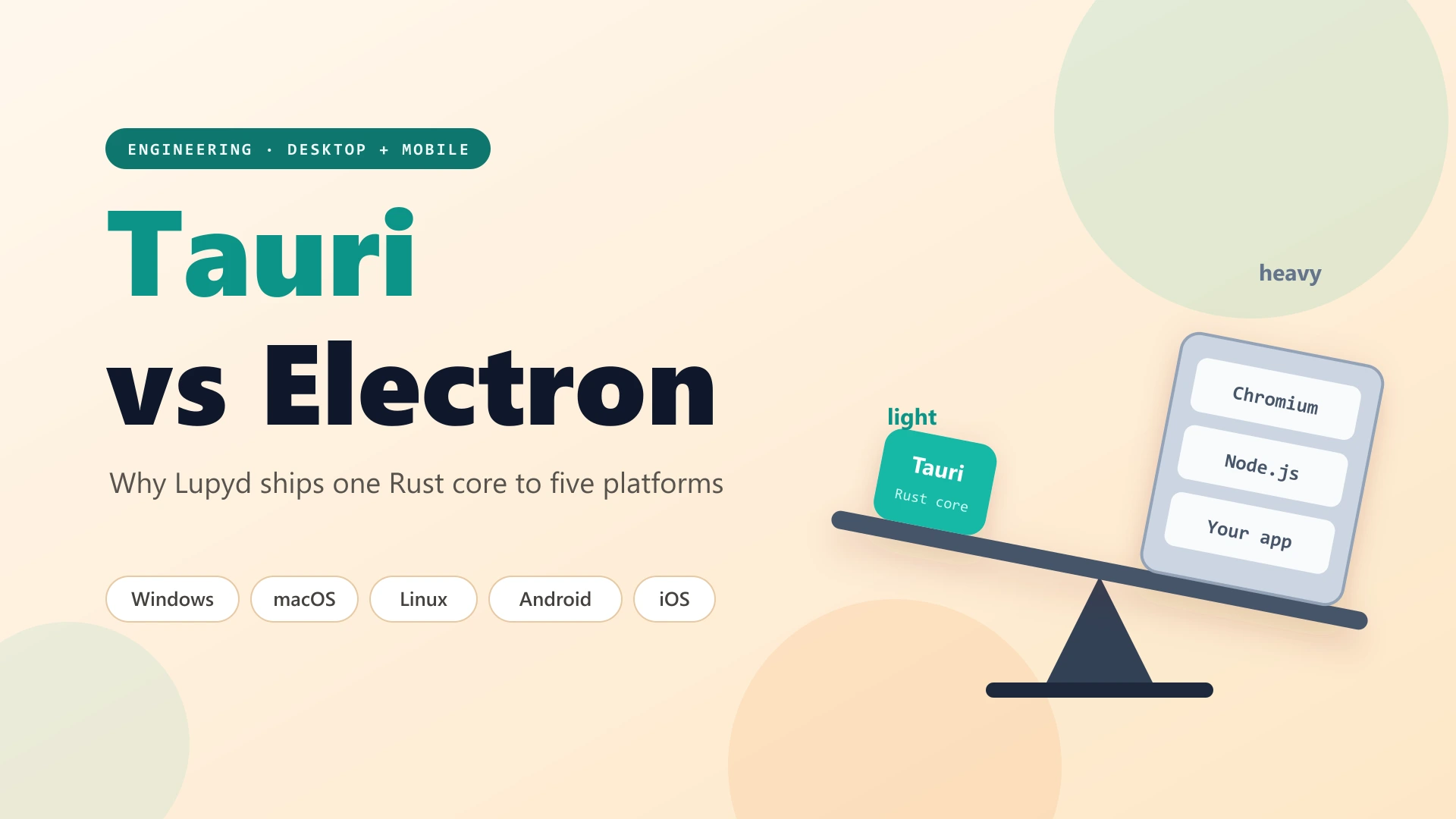
Tauri or Electron? We compare bundle size, security, Rust vs Node.js, mobile support, and Linux WebView issues, with real code from Lupyd's encrypted messenger, which runs on Windows, macOS, Linux, Android and iOS.
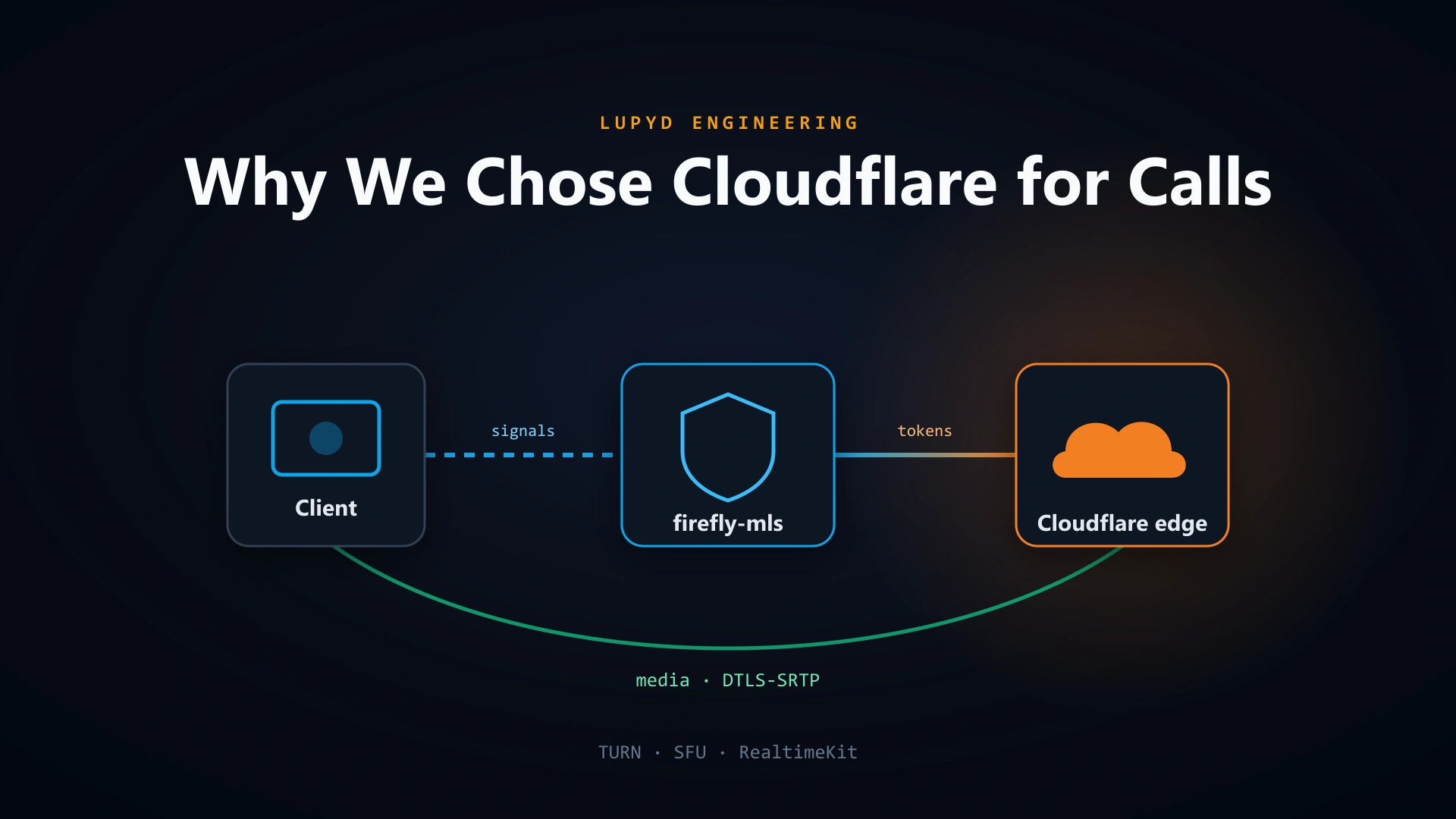
We could have run our own SFU fleet or rented a proprietary video SDK. Instead, Lupyd runs 1:1 calls on Cloudflare TURN and group voice channels on RealtimeKit. Here's why, with the Rust and TypeScript code that makes it work.
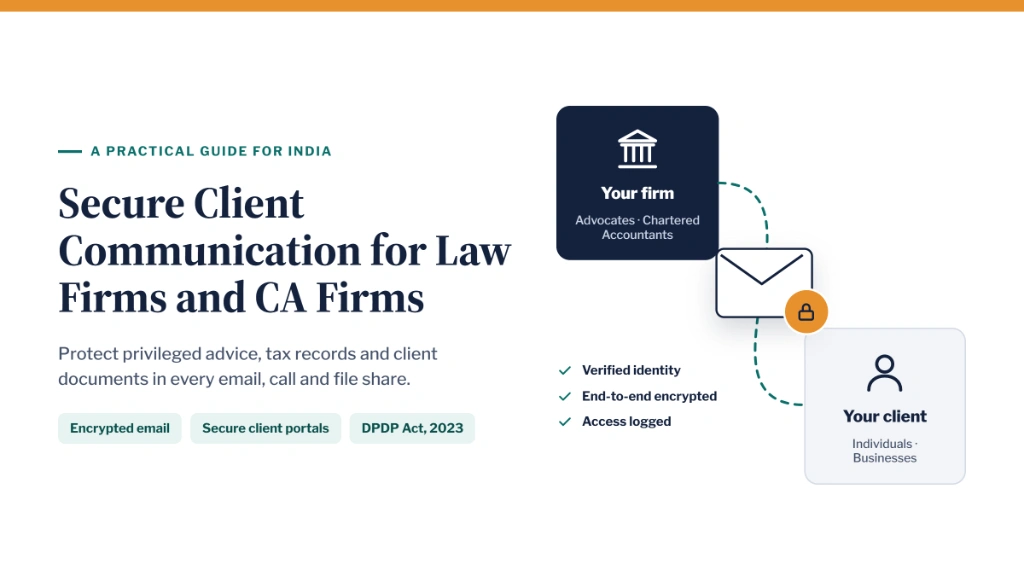
Law and CA firms handle privileged advice, PAN cards, bank statements, and GST records every day, often over WhatsApp. Learn how to keep client data confidential, with checklists, DPDP guidance, and a secure workflow.
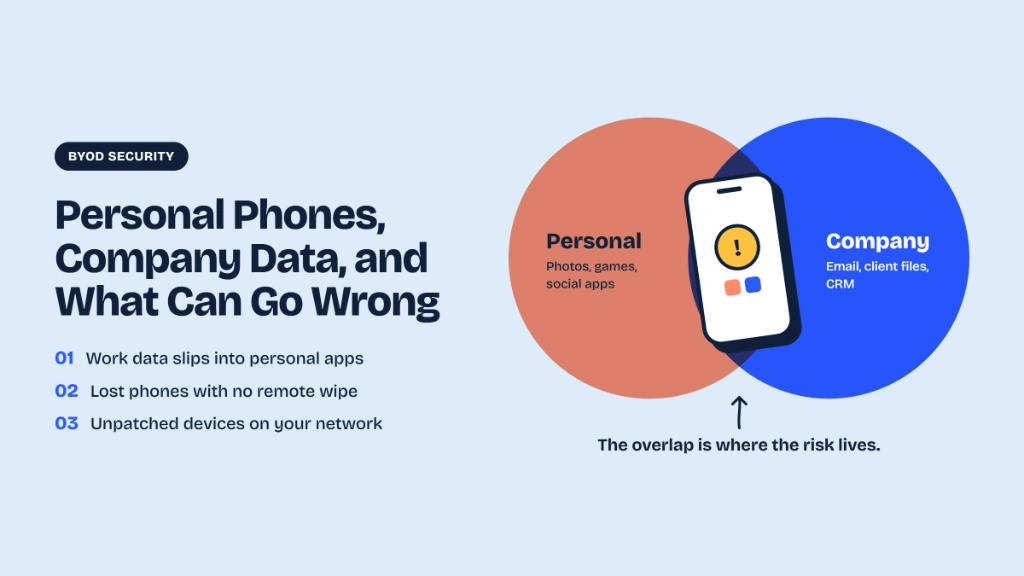
Employees use personal phones for work, and client data goes with them. Learn the real BYOD risks, a simple policy, and low-cost controls small and mid-sized Indian businesses can use today.
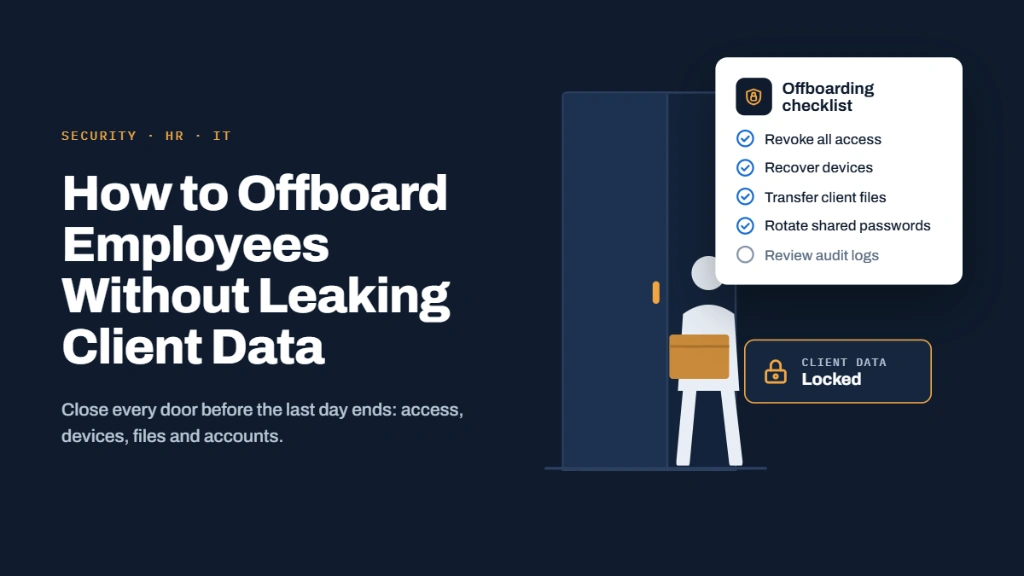
Most data leaks from departing employees are not malicious, just unmanaged. Use this practical offboarding checklist to remove access, secure client chats, and protect data when someone leaves.
Is Telegram really end-to-end encrypted? Learn how Telegram Cloud Chats and Secret Chats differ, why group chats lack E2EE, and how Lupyd ensures zero-knowledge privacy.
Learn what India's DPDP Act and Rules mean for business messaging, secure communication, encryption, personal data, access control, and why Lupyd protects team data.
Discover why modern enterprises need secure internal communication: protecting trade secrets, team conversations, remote workforces, and sensitive files from unauthorized access.
What happens when you test Postgres wire protocol over QUIC streams across a 30ms link? Experimental setup, benchmark observations, and practical tradeoffs.
Why Lupyd, Firefly, and Noon are binary-first across client HTTP endpoints, Protobuf Web Tokens, database storage, and cryptographic workflows without touching gRPC.
A look at how Lupyd brings together WebRTC, React, Tauri, Rust, Android, and Cloudflare RealtimeKit to support one-to-one and group calling.
We were always focused on privacy, even in our social feed. Here is why we paused social features to give Lupyd a clear, focused direction for new users.
An overview of the Firefly chat suite: open-source tools, private channels, and easy-to-run clients for privacy-conscious teams.
A comprehensive breakdown of how Signal's pairwise protocol and the MLS standard work, where each shines, and how they secure team chats.
Comparing Matrix.org and Lupyd: how decentralized homeservers compare with zero-knowledge MLS, our future federation plans, and custom cryptographic permissions.
Comparing Microsoft Teams with Lupyd: enterprise surveillance and admin access versus mathematical privacy for confidential discussions.
Comparing Lupyd and Discord: how voice encryption works, why Discord text remains readable on servers, and what that means for your conversations.
A side-by-side architectural look at Slack cloud storage versus Lupyd private group messaging for teams that value data ownership.
Why protecting conversations with many people is vastly more complex than direct messages, and how modern group ratchets solve it.
Not all chat apps are as private as they claim. Here is what to look for when evaluating real privacy, from key storage to blind relays.
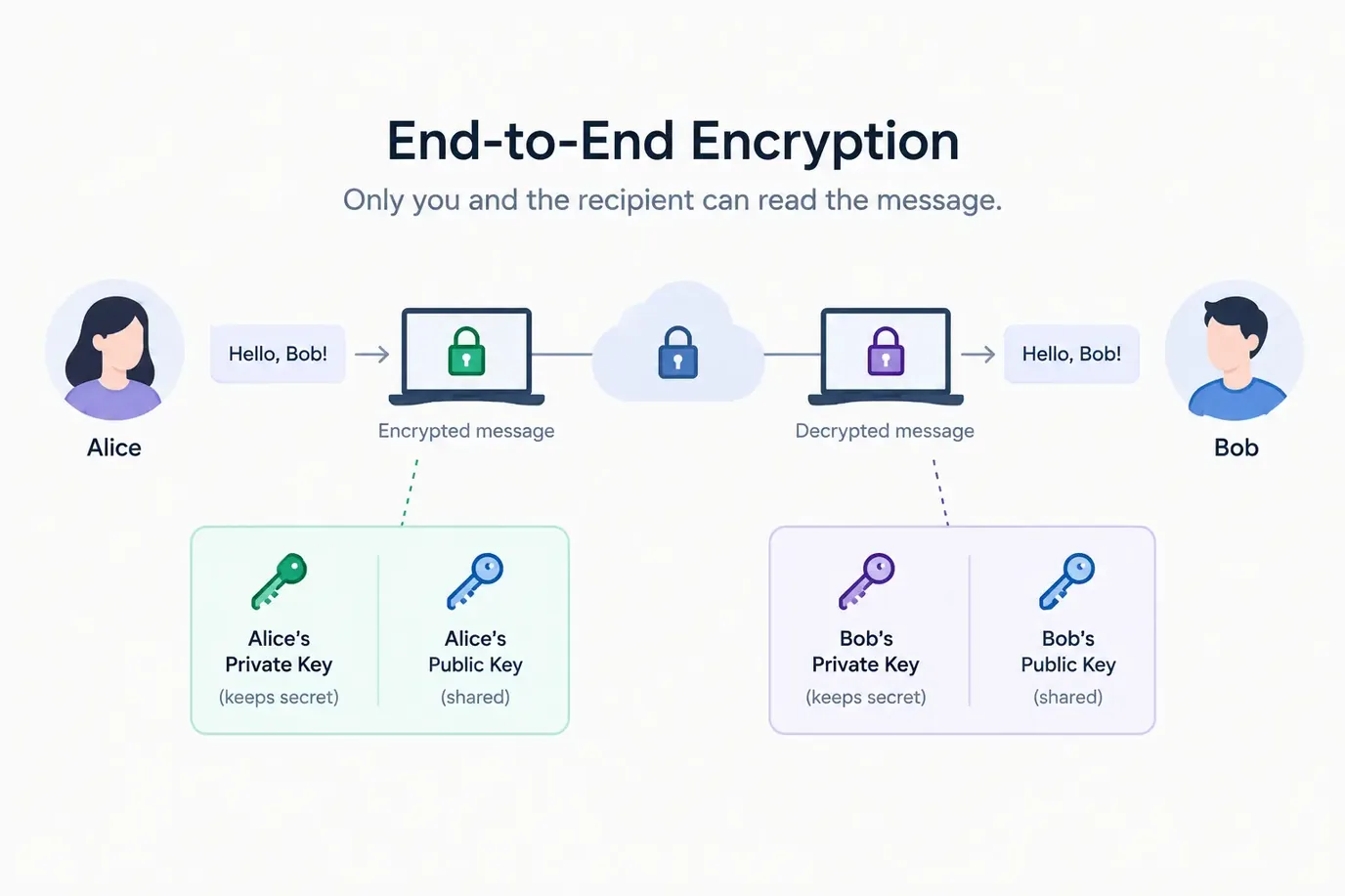
A friendly, plain-language guide to how digital keys work, how messages stay private, and why secret keys must stay on your phone or laptop.
Why the privacy of your daily messages matters for safety, personal autonomy, and protecting your work from data harvesters.
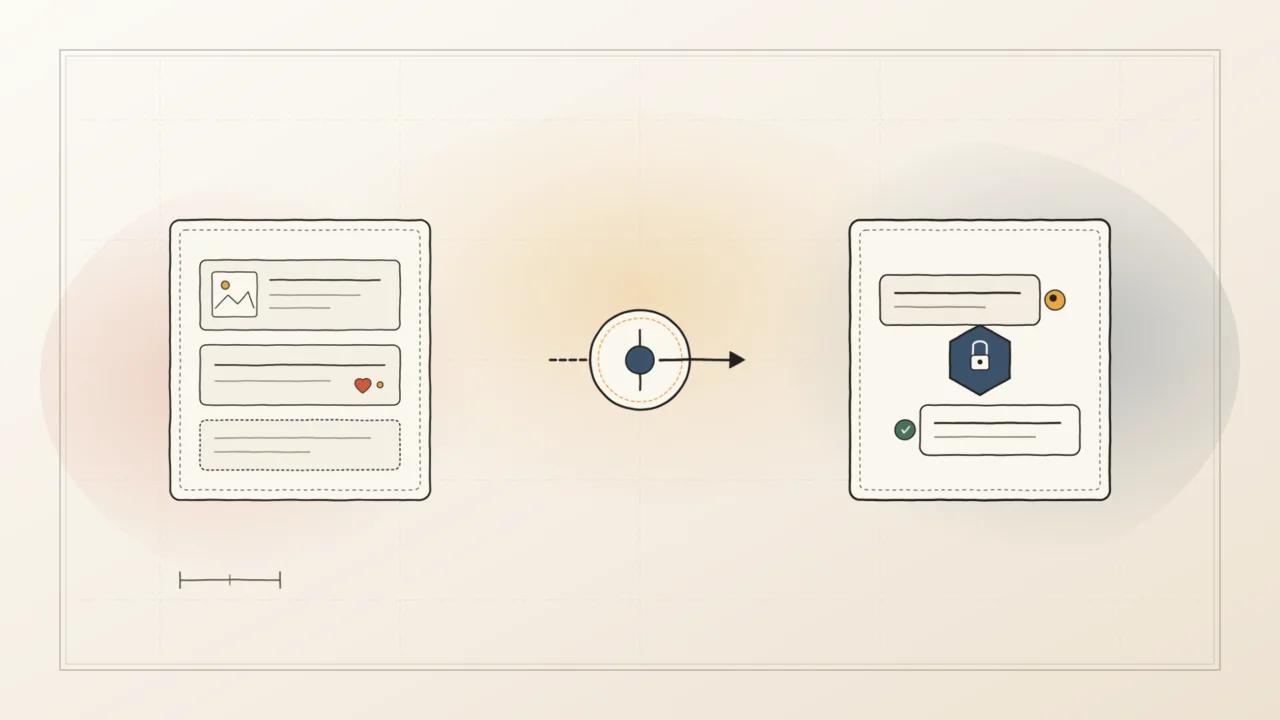
Meet Noon: honest workplace surveys and public feedback forms where mathematical proofs make it impossible to trace who submitted what.
How Lupyd uses modern group encryption to build messaging rooms that govern themselves, without servers ever reading a single word.
Tired of algorithms designed to outrage you? Here is how on-device recommendation vectors put you back in charge of your feed.
How cryptographic hash checks guarantee that nobody in the middle altered, reordered, or tampered with the message you received.
How to design social features, feeds, and community interactions that delight users without harvesting their habits or running tracking trackers.
A guided tour of our newly redesigned workspace dashboard: built for responsive performance, cleaner layouts, and fewer distractions.
How to manage team tasks, share project updates, and keep work structured without leaking proprietary roadmaps to third-party clouds.
Publish articles and updates directly to your readers without third-party tracking scripts, cookie consent popups, or intrusive data collection.
This topic is currently part of our upcoming research roadmap. Browse our other active categories above.
Factual, documented comparisons evaluating encryption models, key custody, metadata exposure, and enterprise compliance across major platforms.
Centralized cloud indexation vs. zero-knowledge endpoint encryption. Understanding Slack EKM versus true client key custody.
Public social gaming servers vs. sovereign communication channels. DAVE voice protection compared with text channel privacy.
Microsoft 365 Purview compliance scanning vs. zero-knowledge MLS group encryption. The reality of 1-on-1 call E2EE limits.
Open federated homeservers vs. zero-knowledge MLS. Comparing Olm/Megolm with client-enforced cryptographic permissions.
Have technical questions about our MLS implementation, blind signature protocols, or zero-knowledge relays? Contact us or explore our repositories.