For years, people said young people don't care about privacy. They post everything, accept every cookie prompt, and sign up for every new app without reading a single word of the terms.
But look closer and a completely different picture shows up. Gen Z—roughly people born between the late 1990s and early 2010s—grew up fully online. They didn't learn the internet as adults; they experienced it as children. And many of them are now asking a question earlier generations rarely did:
“Who else can see this?”
About Lupyd:
Lupyd builds private spaces and communities with end-to-end encryption. Your servers, group chats, and direct messages stay readable only by the people you choose to invite. Try Lupyd →
They Grew Up with the Consequences
Gen Z didn't just use the web—they watched in real time what happens when privacy fails:
- An ill-considered teenage post resurfacing years later and destroying college or career opportunities.
- A screenshot of a supposedly private group chat leaking to an entire school or workplace.
- Accounts getting compromised and weaponized to scam friends and contacts.
- Personal photos and private videos spreading far beyond the people they were originally intended for.
When you have watched these events derail the lives of people your own age, privacy stops being an abstract legal idea. It becomes personal safety.
Private Stories, Close Friends, and Second Accounts
One of the clearest signals of this behavioral shift is how young users interact with social platforms. Instead of broadcasting everything to a public timeline, they compartmentalize:
Curated Close Friends
Sharing real moments only with an inner circle rather than hundreds of casual followers or acquaintances.
Dual Profiles (Finstas)
Maintaining a clean public profile for the outside world while reserving private accounts for authentic life updates.
Migration to Group DMs
Moving discussions out of public comment threads and into invite-only group channels.
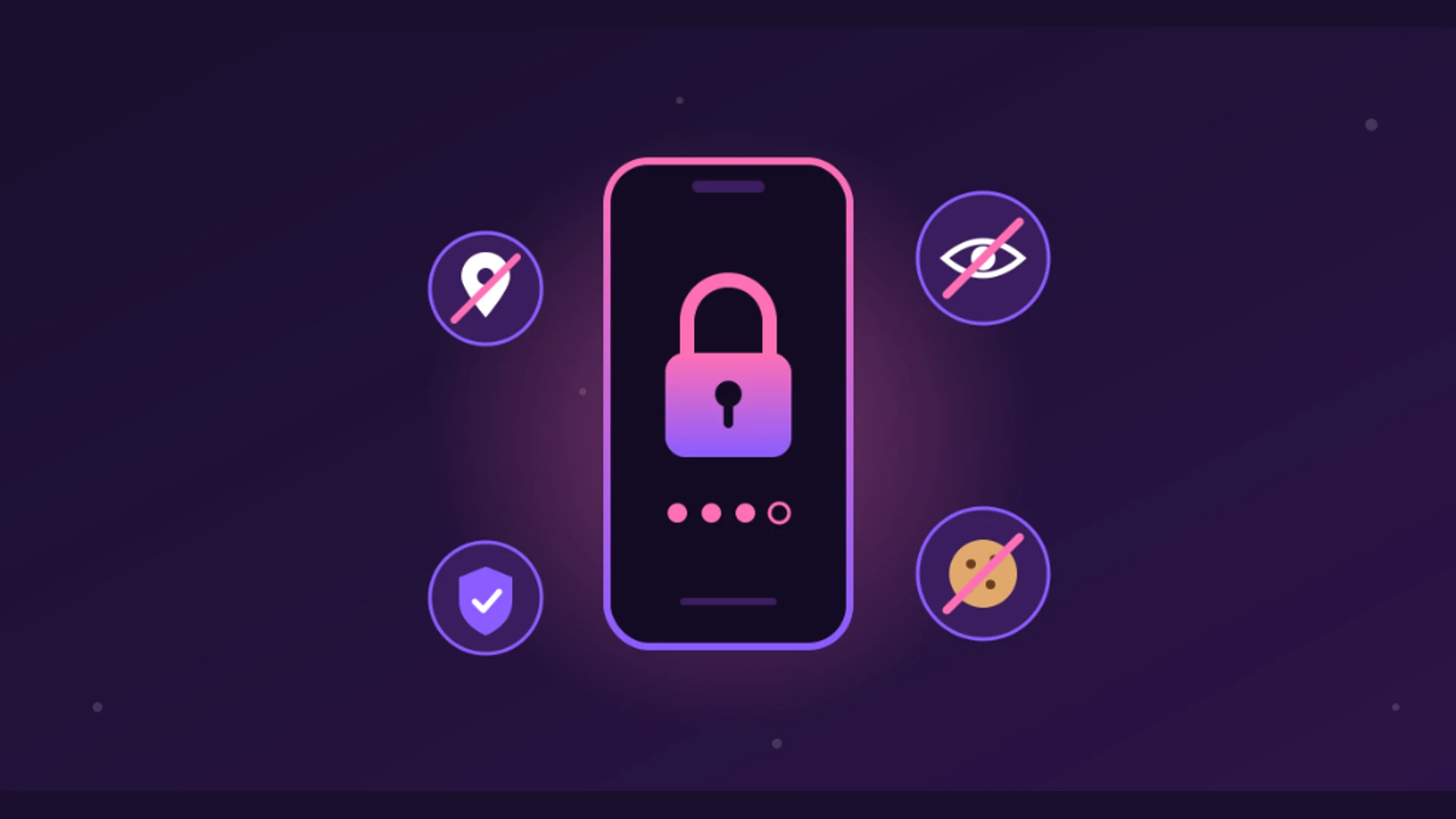
Restricted Geolocation
Turning off background location beacons and ghosting location sharing except with select family or friends.
This isn't about having something sinister to hide. It is about choosing your audience. You speak differently with your closest friends than you do with teachers, parents, or future employers. Gen Z expects their digital spaces to reflect that basic human boundary.
They Know the “Free” App Has a Price
Earlier internet users often took free software at face value. Gen Z understands the modern trade-off:
The hidden cost: If you are not paying for the platform, your personal data, interaction history, and attention are the products being sold.
Hyper-targeted ads that pop up moments after an in-person conversation, eerily accurate behavioral algorithms, and near-weekly corporate data breaches have made younger generations acutely aware of surveillance capitalism. While they haven't abandoned the internet, they are increasingly seeking alternatives for their most personal interactions.
Group Chats Are the New Living Room
For younger users, group chats are no longer just messaging tools; they are the digital living rooms where everyday life unfolds. It is where communities coordinate projects, vent after difficult days, share voice notes, and cultivate inside jokes.
Because these spaces hold vulnerable, candid life moments, the stakes around security are higher than ever:
- Personal struggles shared in confidence
- Unfiltered audio notes and private media
- Study notes, creative collaborations, and plans
- Raw opinions never intended for public critique
When so much of life lives inside software, questions like “Is this chat encrypted? Can the server staff read it? What happens if there's a leak?” become paramount.
Online Safety Is Part of Growing Up Now
Digital self-defense is no longer a niche hobby for programmers. For Gen Z, digital hygiene is an essential life skill:
- Spotting phishing scams: Quickly recognizing malicious “free gift card” campaigns, fake job offers, and impersonation schemes.
- Enabling two-factor authentication (2FA): Adopting authenticator apps after witnessing friends lose social handles to account takeovers.
- Guarding personal identifiers: Hesitating before dropping phone numbers, real names, or school details into open community servers.
- Swift blocking and reporting: Promptly muting bad actors rather than engaging in pointless public flame wars.
The Rise of AI Makes the Question Bigger
The recent wave of embedded generative AI tools has accelerated privacy concerns. Young users are noticing AI assistants and scraping features silently being enabled across mainstream apps, raising pressing questions:
🤖 Are private messages training AI models?
Many popular platforms recently updated their terms of service to allow user content and photos to train machine learning models unless users navigate obscure opt-out menus.
👁 Can AI scan and summarize intimate chats?
Automated summaries and AI bots often ingest raw message transcripts to a central cloud server, breaking confidential conversation boundaries.
🖥 Where does data travel once touched by AI integrations?
Third-party LLM APIs often process chat payloads on remote servers that lack end-to-end cryptographic guarantees.
What Gen Z Wants from Apps
Synthesizing these expectations reveals a straightforward checklist for the next generation of online software:
- Cryptographic privacy: Real end-to-end encryption so conversations cannot be intercepted, monitored, or monetized by the host provider.
- Granular audience control: Simple, transparent tools to manage who joins, who reads, and who has administrative rights.
- Honest data practices: Plain-language explanations of data collection with no deceptive dark patterns.
- Privacy without sacrificing community: Fast, modern interfaces with voice channels, rich media, and server organization that make connecting fun.
Where Lupyd Fits In
Lupyd was designed from the ground up on the conviction that people shouldn't have to choose between a vibrant community and private communication.
It offers the community architecture users love—organized servers, topic channels, direct messages, and collaboration spaces for friends, study cohorts, and teams. But beneath the surface, conversations are protected by end-to-end encryption. What you share in your server stays strictly between you and your members.
The Bottom Line
Gen Z isn't indifferent to privacy—they are redefining it. For digital natives, privacy does not mean isolating from the world; it means maintaining autonomy and control over who sees what, where personal data flows, and which platforms deserve their trust.
Want a private space for your friends, class, or community? Try Lupyd, the encrypted community workspace.
Why Privacy Matters in Digital Communication • Why Group Chat Security Is Different • Which Messaging Apps Are End-to-End Encrypted?
Last updated: 28 October 2026. This article explores digital culture, youth trends, and online privacy dynamics.
- ✓ Having grown up watching permanent online consequences—doxxing, leaked chats, and hacks—Gen Z treats privacy as personal protection rather than an abstract concept.
- ✓ The shift from broadcast feeds to private stories, 'finsta' accounts, and close-friends lists reflects deliberate audience curation.
- ✓ Younger users recognize that 'free' services monetize personal data and conversations through targeted advertising and algorithmic tracking.
- ✓ Group chats have become private digital living rooms where friends expect confidential, unmonitored spaces.
- ✓ Generative AI features in mainstream apps are introducing new concerns around whether personal conversations are being scraped for model training.
The workspace where nothing leaks
End-to-end encrypted channels and chat for your team, built on the Signal Protocol and MLS. Available on macOS, Windows, Linux and Android.