Privacy-by-Design vs Centralized Data Collection
Local Actions
Reading, drafting, and navigating topics.
Vector Embeddings
Mathematical taste weights computed locally.
Zero Telemetry
No tracking cookies, no server behavioral logs.
On-device preference and encryption computations remove personal interaction histories from server-side ingestion.
When you type a message and press send, the visual interaction appears instantaneous and intimate. Yet across traditional cloud communication platforms, that single send triggers an extensive sequence of server-side data ingestion, indexation, contact mapping, and permanent log archival.
What Actually Happens When You Send a Message?
To understand digital privacy, we must look beyond marketing terms like "secure cloud" or "enterprise-grade encryption." On standard communication apps, here is the lifecycle of your message:
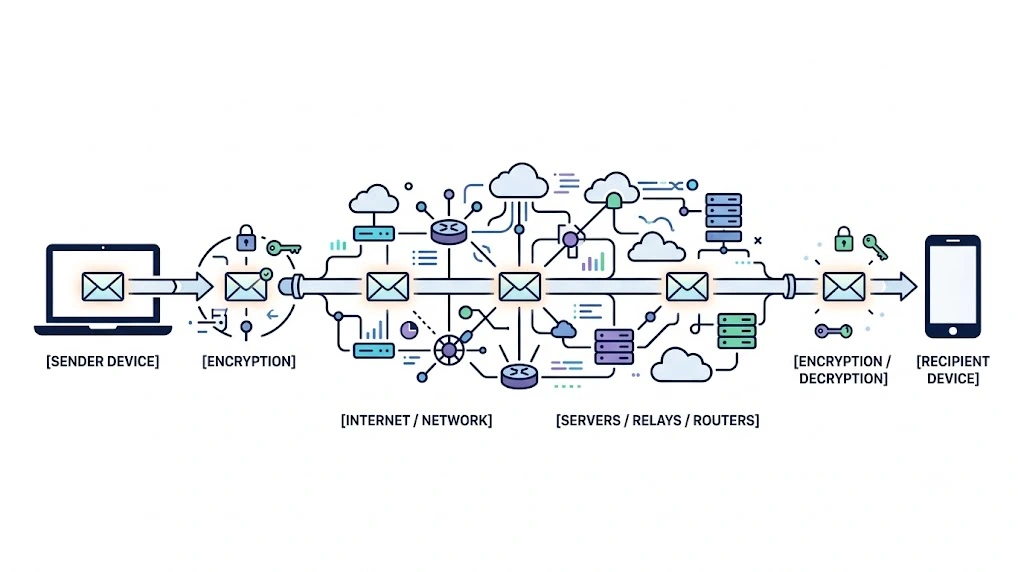
- Transport Ingestion: Your device wraps the message in standard TLS (Transport Layer Security) and sends it over the internet. While TLS protects the packet from your Wi-Fi router or local internet service provider, TLS terminates at the vendor's application gateway.
- Plaintext Server Inspection: At the gateway, the message is decrypted into plaintext. The vendor's backend parses the text to enable global keyword searching, check content filters, generate link previews, or train automated notification routines.
- Relational Database Storage: The message body, sender ID, recipient ID, channel identifier, and exact server timestamp are written to persistent databases, often replicated across multiple international data centers.
- Metadata Graph Assembly: Even if message contents are eventually archived, logs detailing who you spoke with, when the exchange occurred, how frequently you connect, and from which IP addresses you connected remain active in analytics warehouses.
The Hidden Power of Conversational Metadata
A common misconception is that metadata is benign compared to message text. Former NSA General Counsel Stewart Baker famously summarized the reality: "Metadata absolutely tells you everything about somebody's life. If you have enough metadata, you don't really need content."
Consider the information communicated solely by connection timing and recipient addresses: knowing that an executive communicated with a bankruptcy attorney at 2:00 AM, or that an employee messaged an investigative journalist repeatedly over three days, communicates sensitive operational context without reading a single word of the conversation.
Why Policy Promises Are Not Security Guarantees
When platforms rely on "trust us" privacy policies, your security is tied to three persistent vulnerabilities:
- Corporate Ownership Transitions: Policies change whenever a company is acquired, changes leadership, or alters its monetization strategy to stay solvent.
- Rogue Insider Access: Engineers, customer support agents, and system administrators with database credentials can access stored communication history.
- Compelled Disclosure: Servers holding readable messages or comprehensive metadata logs are legally compelled to turn over records during litigation or secret national security requests.
Privacy by Design: What True Protection Looks Like
Privacy by Design rejects the idea that privacy should be an optional toggle or a legal terms document. Instead, it asserts that privacy must be an architectural constraint:
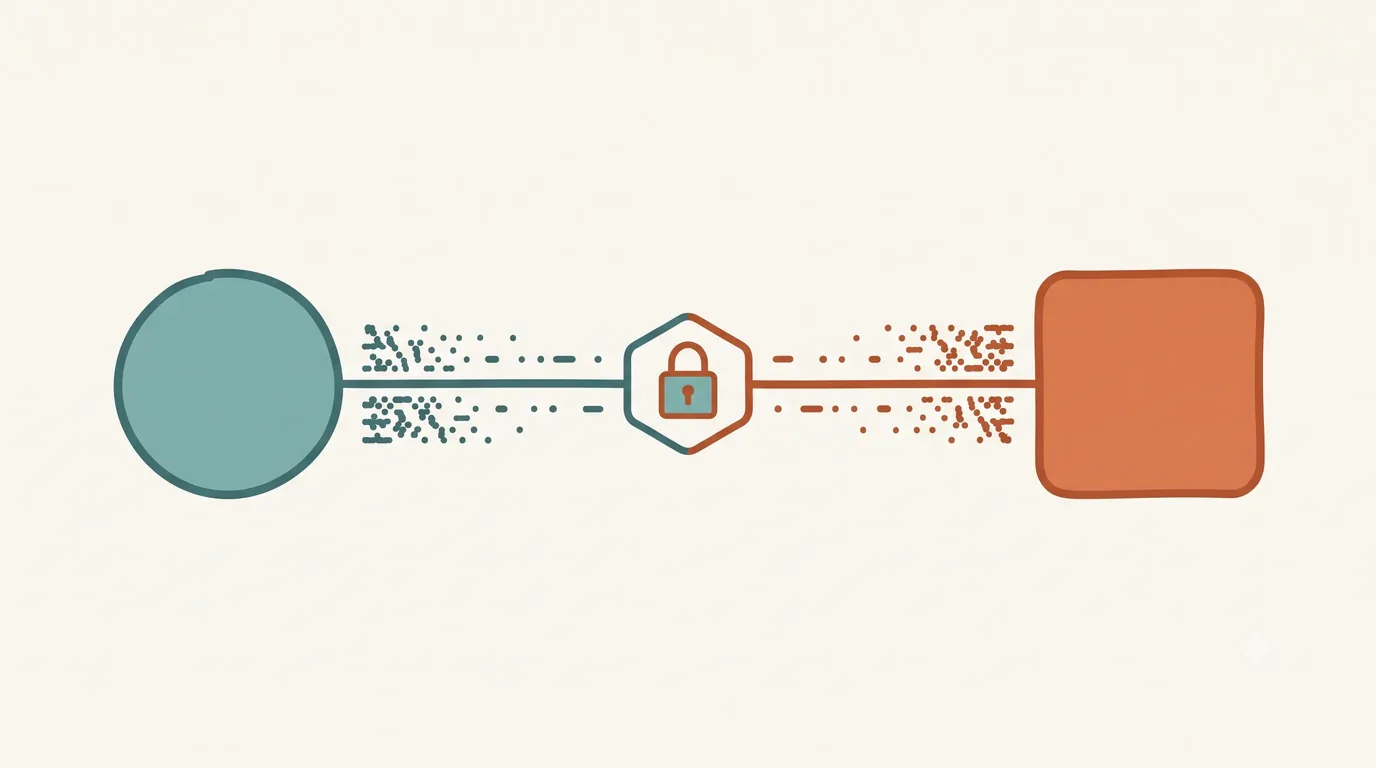
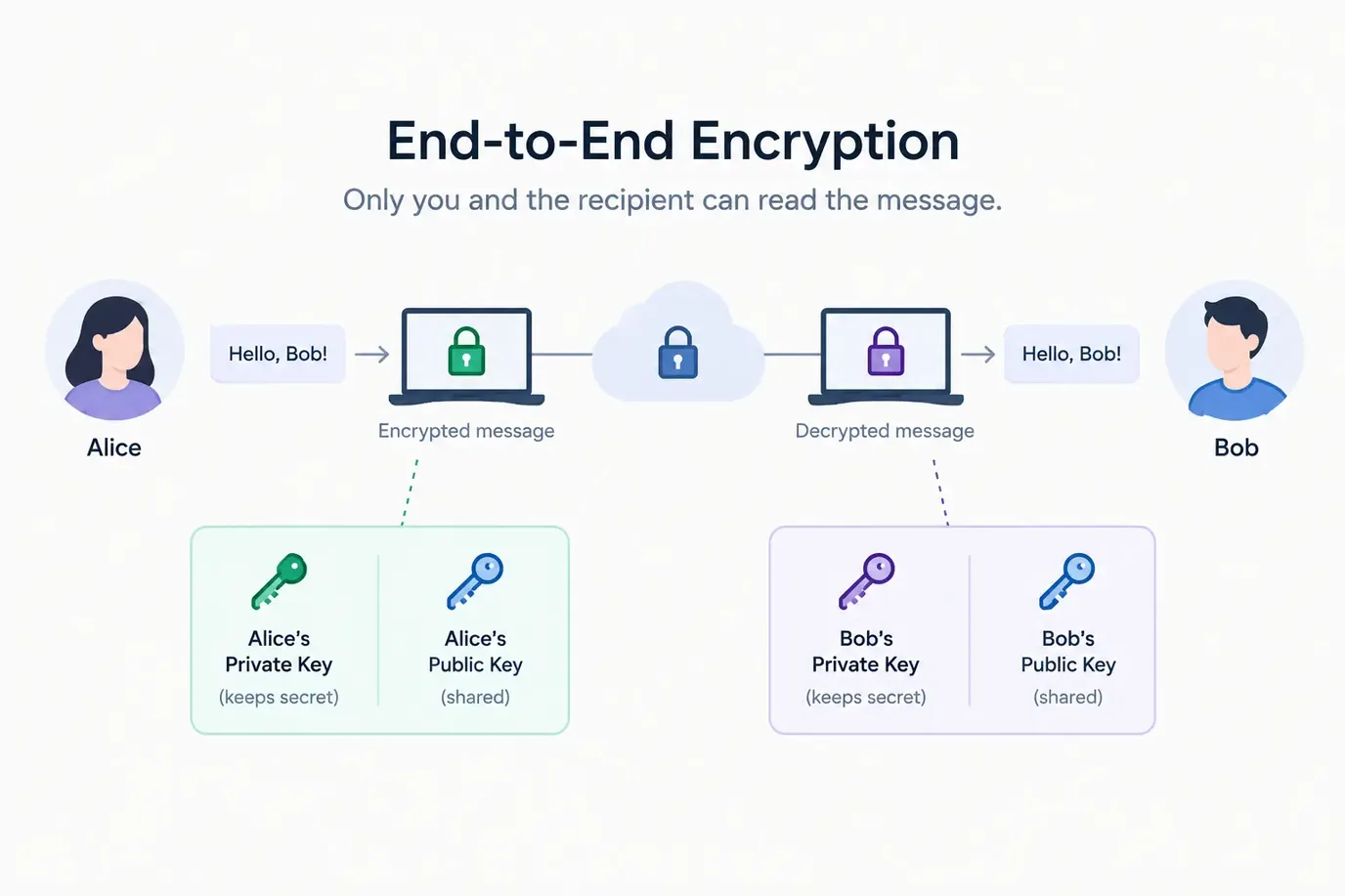
- Client-Side Encryption: Payloads are encrypted with private keys held exclusively on physical endpoint hardware. The server literally lacks the mathematical ability to read the conversation.
- Metadata Minimization: Routers require only ephemeral connection IDs to route envelopes, purging routing tables immediately upon packet delivery.
- Zero-Knowledge Identity: Verification relies on cryptographic credentials rather than tracking phone numbers, email addresses, and persistent device identifiers.
- ✓ Content confidentiality is incomplete without metadata protection; contact frequencies and timestamps reveal private social graphs.
- ✓ Centralized servers frequently store unencrypted backups or retain message routing logs across multi-year cycles.
- ✓ Subpoenas, third-party analytics trackers, and internal support tooling create wide attack surfaces for unencrypted channels.
- ✓ Privacy by Design mandates that protection is architectural rather than dependent on terms of service policies.
- ✓ On-device key storage and local data processing provide the only durable protection against corporate surveillance.