Zero-Knowledge Relay & SHA-256 Digest Verification
Message Body
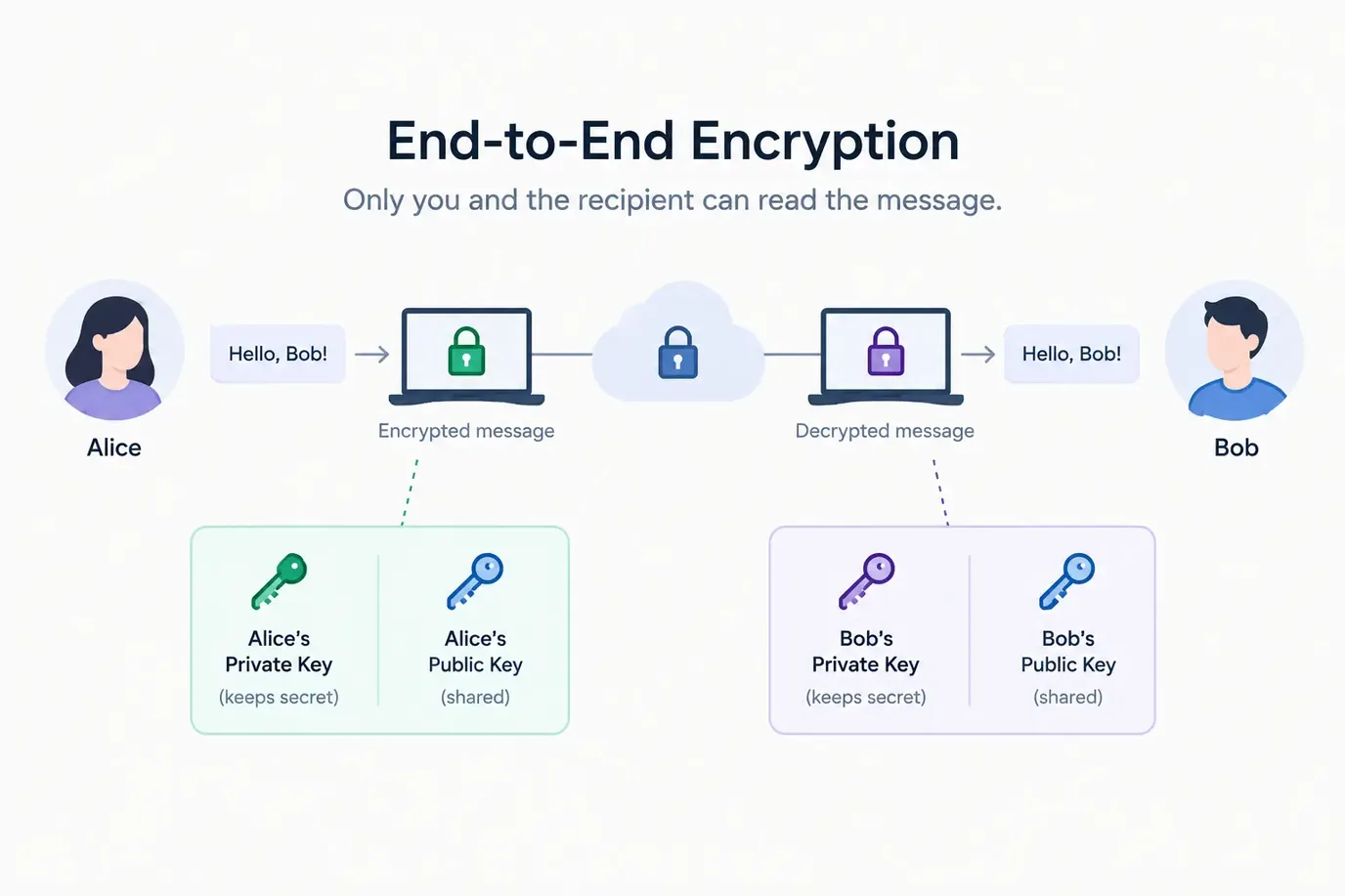
No Plaintext Access
Checks epoch monotonic counter and forwards packet.
Decryption & Check
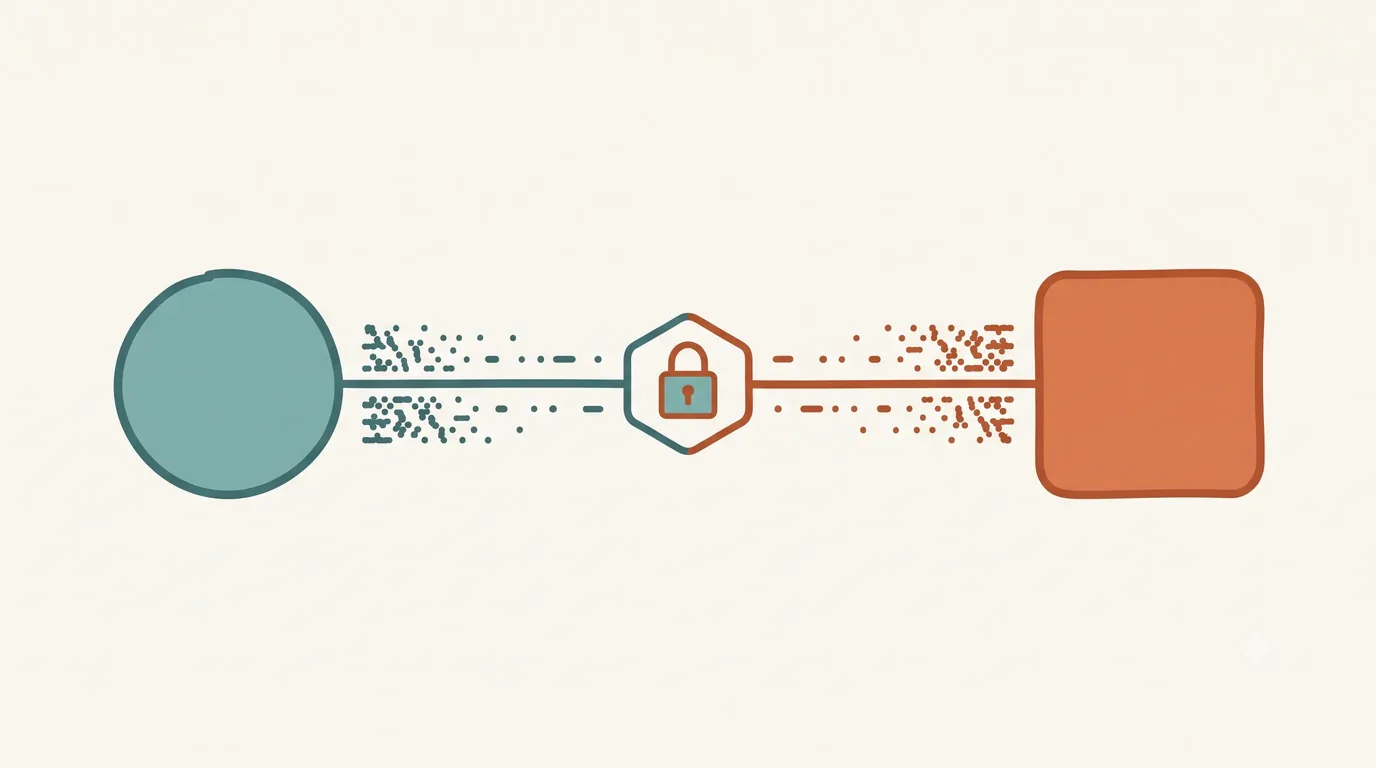
Endpoint hashing guarantees message integrity and tamper detection, while servers route packets blindly without access to decryption keys.
True digital privacy requires both confidentiality and verifiable authenticity. While encryption ensures that eavesdroppers cannot read conversations in transit, message verification guarantees that data has not been modified, replayed, or spoofed along the way. At Lupyd, cryptographic hashing forms the baseline defense against payload alteration.
Integrity Verification via Cryptographic Hashing
Standard transport security protects packets during transmission across public networks, but endpoint verification is what establishes genuine trust between communicators. When a message is composed on Lupyd, the client generates an immutable digital fingerprint using the SHA-256 cryptographic hashing standard before wrapping the payload in encryption ciphers.
Upon receipt, the recipient's device decrypts the payload and computes the SHA-256 hash across the recovered plaintext. If the computed hash matches the embedded signature perfectly, the client confirms the payload's integrity. If even a single bit was corrupted or altered by an intermediary relay, the hash mismatch immediately triggers a silent verification failure, alerting the client and preventing corrupted rendering.
Zero-Knowledge Relay Infrastructure
In Lupyd's messaging protocol, relays operate in a zero-knowledge state:
- Key Isolation: Decryption keys exist exclusively in device memory on sender and recipient hardware.
- Blind Transport: Relays receive opaque envelopes containing only minimal routing headers required to forward the packet to the recipient's active socket.
- Metadata Minimization: Transport headers are stripped of behavioral identifiers, ensuring that relays cannot establish communication graphs or analyze conversational rhythms.
Defending Against Replay Attacks and Session Hijacking
To protect against replay attacks (where an observer records an encrypted packet and resends it later to trigger duplicate actions), each message incorporates a timestamp and a single-use cryptographic nonce.
Even if two identical messages are transmitted back-to-back, the distinct nonce values produce completely different ciphertexts. Additionally, Lupyd enforces Perfect Forward Secrecy (PFS): cryptographic session keys are ratcheted continuously, guaranteeing that past messages remain mathematically protected even if an endpoint's active session key were ever compromised.
- ✓ End-to-end encryption guarantees confidentiality, but cryptographic hashing guarantees message authenticity and tamper resistance.
- ✓ Each message is hashed locally using SHA-256 before transport; receivers recompute and verify the digest upon decryption.
- ✓ Zero-knowledge routing treats servers as blind couriers, preventing server-side inspection or metadata exploitation.
- ✓ Cryptographic nonces and timestamps prevent replay attacks by ensuring unique ciphertexts for duplicate text transmissions.
- ✓ Perfect Forward Secrecy ensures historical messages remain permanently locked even if a future private key is compromised.